

The Remarkable Journey of Dustin Hoffman
Introduction
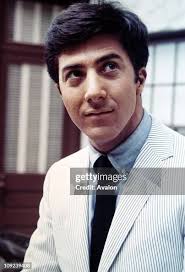
Dustin Hoffman, a name synonymous with exceptional talent in Hollywood, has captivated audiences with performances spanning over five decades. His ability to embody diverse characters, coupled with a remarkable range, makes him one of the most revered actors in the history of cinema. As Hoffman continues to impact the industry, his legacy remains significant in contemporary discussions about acting and filmmaking.
Career Highlights
Born on August 8, 1937, in Los Angeles, California, Hoffman pursued his love for acting after graduating from Santa Monica College and later the Pasadena Playhouse. His breakthrough role came in 1967 with “The Graduate,” where he played the disenchanted Benjamin Braddock, earning him significant acclaim and introducing his intense style to the mainstream audience.
Throughout his career, Hoffman’s versatility has been demonstrated in notable films such as “Midnight Cowboy” (1969), where he played Ratso Rizzo, and the critically acclaimed “Rain Man” (1988), which earned him an Academy Award for Best Actor. In total, Hoffman has received seven Academy Award nominations, securing two wins, highlighting his enduring talent.
In addition to his success in film, Hoffman has also made a mark in theatre and television. His portrayal of Willy Loman in Arthur Miller’s play “Death of a Salesman” and roles in acclaimed television series like “Luck” showcase his ability to bring depth and nuance to every character he plays.
Recent Projects and Continued Influence
In recent years, Hoffman has continued to take on challenging roles, proving his dedication and passion for acting. His latest works, including the series “Luck” and the film “The Meyerowitz Stories” (2017), reaffirm his place in modern cinema. Beyond acting, Hoffman’s work as a director and producer demonstrates his multifaceted contributions to the film industry.
Off-screen, Hoffman is known for his advocacy on various social issues, using his platform to address topics such as education and the importance of arts in society. His commitment to these causes further cements his significance not just as an artist, but as an influential figure capable of effecting change.
Conclusion
Dustin Hoffman’s career is a testament to resilience, talent, and the pursuit of excellence. As he continues to engage with new projects, both in front of and behind the camera, his influence is sure to resonate across generations. Newcomers to acting can look to Hoffman’s extensive body of work for inspiration, while long-time fans eagerly anticipate his future roles. The legacy of Dustin Hoffman will undoubtedly remain integral to cinematic history.