

Exploring the Work of David Shrigley
Introduction
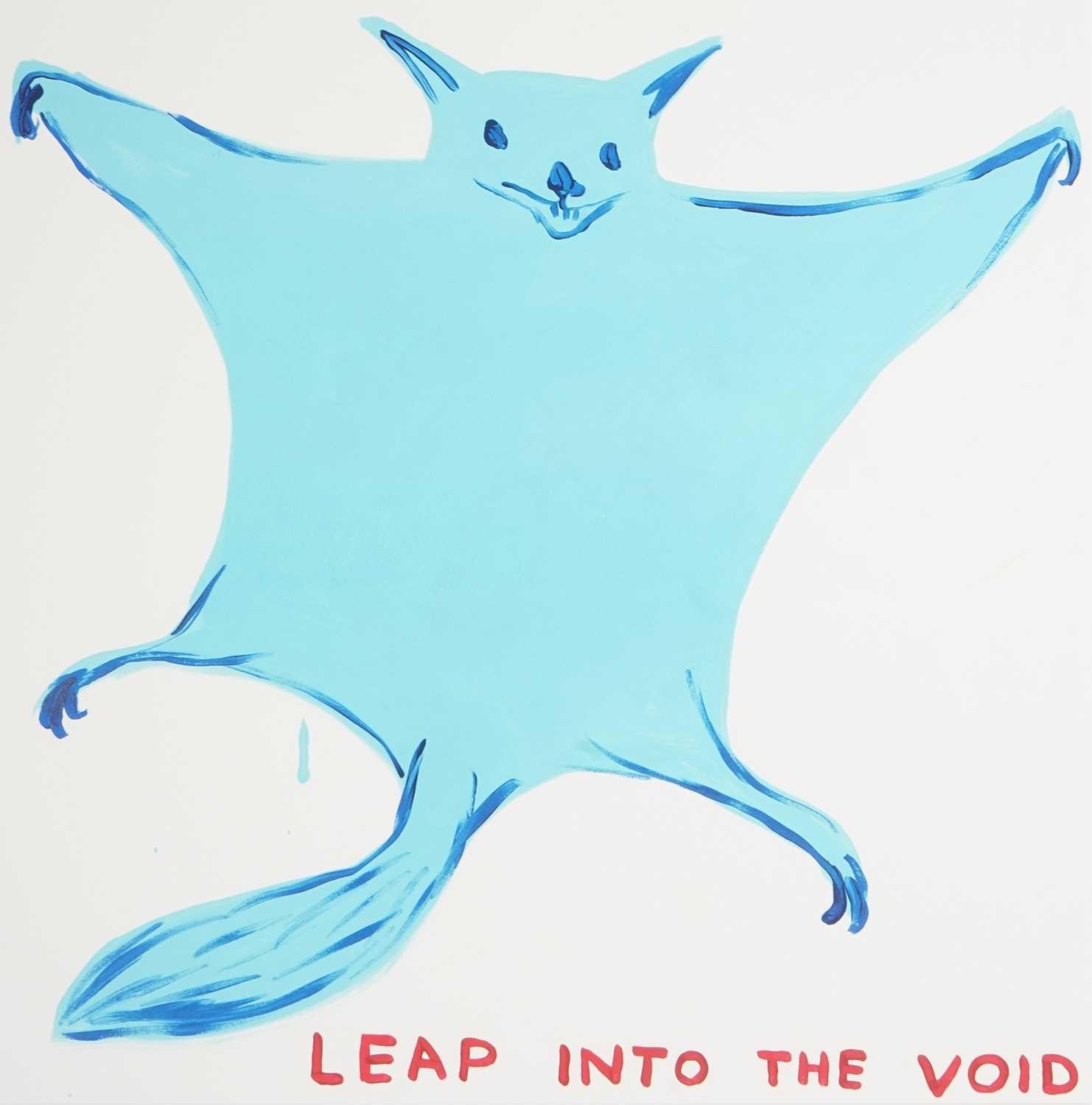
David Shrigley, a British visual artist, has made a significant mark in the contemporary art scene with his distinctive, often humorous and provocative works. His unique style, characterised by simple line drawings and witty, subversive messages, resonates with diverse audiences, making him a pivotal figure in modern art. As the art world increasingly values accessibility and engagement, Shrigley’s approach exemplifies how art can provoke thought and entertain simultaneously.
Artistic Journey
Born on September 17, 1968, in Macclesfield, England, Shrigley’s career took off after relocating to Glasgow, where he studied at the Glasgow School of Art. His early exposure to societal norms and mores heavily influences his work, as he often critiques themes related to life, death, and the absurdity of human existence. Over the years, he has experimented with various media, including drawing, sculpture, and animation, showcasing an ability to transcend traditional artistic boundaries.
Recent Exhibitions and Recognition
In 2023, Shrigley was in the spotlight for his latest exhibition at the Hayward Gallery in London, titled ‘Lose Your Mind’, where he presented an array of new works including large-scale installations and animated pieces. This exhibition provided a comprehensive overview of his unique aesthetic and thoughtful commentary on contemporary life. Shrigley has also been shortlisted for prestigious awards, including the Turner Prize in 2013, and his works are featured in renowned collections like the Museum of Modern Art in New York.
Impact on Contemporary Culture
Shrigley’s influence extends beyond traditional galleries and exhibitions; he has designed album covers, illustrated books, and even created a large public sculpture in 2016 entitled ‘Really Good’, displayed in Trafalgar Square. His work often sparks conversations about mental health, societal expectations, and the absurdities of modern life, which resonates particularly with younger generations struggling with similar issues. Shrigley’s approach invites audiences to reflect on their own experiences through humour and simplicity.
Conclusion
As David Shrigley continues to innovate and challenge audiences with his creativity, his role in contemporary art becomes increasingly significant. His ability to blend humour and critique fosters a space for dialogue about the state of the world today. Looking forward, we can expect Shrigley to continue exploring new themes and engagement methods, ensuring his relevance in the evolving landscape of contemporary art.