

The Significance of Diwali Fireworks in Celebrations
Introduction
Diwali, known as the Festival of Lights, is one of the most celebrated festivals in India and among Indian communities worldwide. It symbolizes the victory of light over darkness and good over evil. Fireworks play a crucial role in Diwali celebrations, creating a stunning visual spectacle that enhances the festive atmosphere. However, in recent years, the environmental impact of these fireworks has sparked debates, making it essential to discuss the traditions and implications associated with them.
Fireworks and Cultural Significance
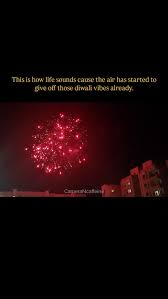
The tradition of using fireworks during Diwali dates back centuries. Fireworks are believed to ward off evil spirits and bring joy and prosperity. As families gather to celebrate, the night sky lights up with a dazzling display of colours, enhancing the joyous mood with sounds of crackers and bombs. Major cities across India, including Delhi, Mumbai, and Bangalore, host grand firework displays, attracting thousands of spectators who revel in the festive cheer.
Environmental Concerns
However, the beauty of Diwali fireworks comes with a significant downside – environmental harm. The bursting of fireworks releases harmful chemicals and particulate matter into the atmosphere. Reports indicate a sharp rise in air pollution during the Diwali period, often resulting in hazardous levels that can exacerbate health issues such as asthma and other respiratory conditions. In 2022, the Central Pollution Control Board reported a worrying spike in air quality deterioration during Diwali, prompting authorities to review regulations surrounding fireworks consumption.
Regulatory Measures and Public Response
In response to the environmental concerns, various states have implemented restrictions on the types and timings of fireworks permissible for Diwali celebrations. For example, the Supreme Court of India has upheld a ban on the sale of certain types of firecrackers in several regions to mitigate pollution levels. Public awareness campaigns encourage families to opt for environmentally friendly alternatives or engage in quieter ways of celebration, such as using sparklers or taking part in community events.
Conclusion
As we approach the upcoming Diwali celebrations, it is vital to balance tradition with environmental responsibility. While Diwali fireworks undoubtedly contribute to the festive spirit, it is crucial for communities to embrace sustainable practices to protect air quality and public health. Moving forward, fostering awareness about the environmental impact of fireworks and promoting eco-friendly celebrations could chart a new course for one of the most cherished festivals, ensuring that Diwali remains joyful not just in spirit but also in practice, for generations to come.