

Understanding Bonfire Night: History and Significance
Introduction
Bonfire Night, also known as Guy Fawkes Night, is a significant event in the United Kingdom that commemorates the failed Gunpowder Plot of 1605. This annual celebration, held on the 5th of November, is marked by bonfires, fireworks, and various community gatherings. Its relevance transcends mere celebration; it serves as a reminder of the values of democracy and the dangers of extremism.
The Historical Background
The origins of Bonfire Night date back to November 5, 1605, when conspirators including Guy Fawkes attempted to blow up the Houses of Parliament in London to assassinate King James I and restore a Catholic monarch to the throne. The plot was foiled, and in response, the public celebrated the king’s survival by lighting bonfires across London. The day has since evolved into a national tradition that encapsulates various rituals and customs.
Modern Celebrations
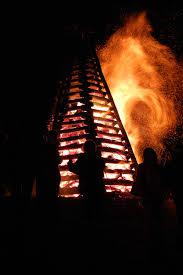
Today, Bonfire Night is marked by large public displays featuring fireworks and bonfires, where effigies of Guy Fawkes (often referred to as ‘Guy’) are burned in a display of festivity and remembrance. Many communities organise events that include traditional food, music, and funfair activities, drawing in attendees from various age groups. In addition to firework displays, children often make ‘Guy’ effigies and ask passers-by for ‘a penny for the Guy’ to raise funds for festivities.
Safety and Regulations
In recent years, safety regulations around Bonfire Night have become more stringent, with local authorities emphasising the importance of responsible celebrations. Firework safety campaigns are widely promoted, aiming to prevent accidents and ensure that festivities remain enjoyable and safe for everyone. Community organisers typically work closely with local governments to ensure compliance with safety protocols.
Conclusion
Bonfire Night remains a deeply rooted tradition in British culture, reflecting the historical tensions between Catholics and Protestants and showcasing the nation’s commitment to democratic values. As the event continues to draw large crowds each year, it also provides an opportunity for communities to unite, celebrate, and reflect on their shared history. The enduring popularity of Bonfire Night highlights its significance not only as a spectacular event but also as a cultural touchstone in the modern social fabric of the UK.