

Understanding the Significance of Bonfire Night
Introduction
Bonfire Night, also known as Guy Fawkes Night, is a significant event celebrated in the United Kingdom on the evening of 5th November each year. This tradition has significant historical roots and cultural implications that resonate deeply within British society. The day’s commemoration stems from the foiling of the Gunpowder Plot in 1605, where a group of conspirators, including Guy Fawkes, attempted to blow up the House of Lords during the State Opening of Parliament, aiming to assassinate King James I and restore a Catholic monarch. Understanding why we celebrate Bonfire Night aids in appreciating its cultural relevance today.
Historical Background
The events of 5th November 1605 marked a pivotal moment in English history. After extensive planning, Guy Fawkes and his fellow conspirators were apprehended while guarding barrels of gunpowder placed in the cellars beneath the Houses of Parliament. On learning of the plot’s failure, the public’s relief led to the first observance of a day of thanksgiving to celebrate the king’s survival. In 1606, an Act of Parliament declared 5th November a day of public thanksgiving, which evolved into the tradition of lighting bonfires.
Modern Celebrations
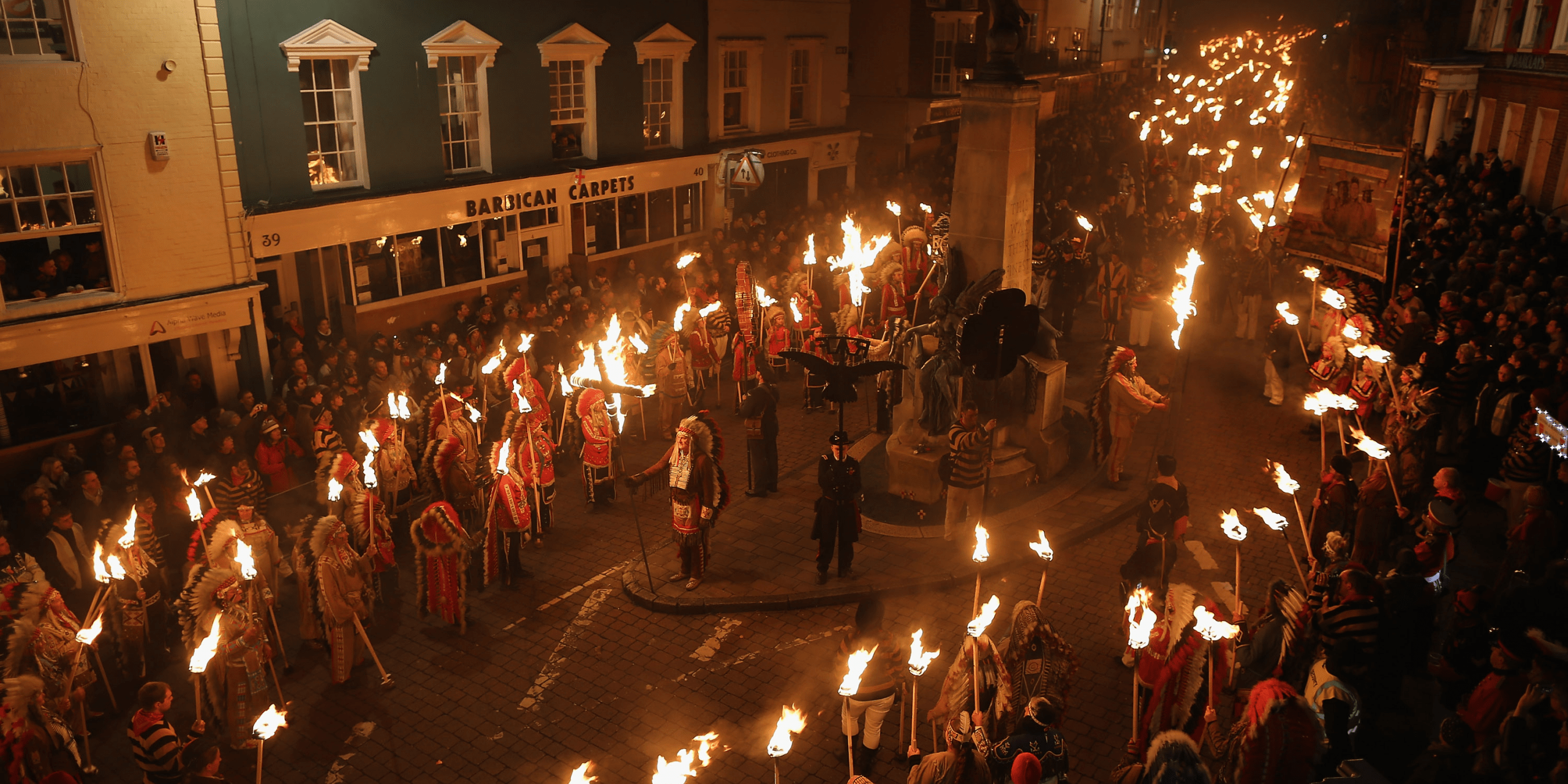
Today, Bonfire Night is celebrated across the UK with the lighting of bonfires and fireworks displays. Public events are often organised in communities, featuring effigies of Guy Fawkes – a practice originating from the early days of the event, where effigies would be burned on bonfires. The atmosphere is festive, with food stalls, fairground rides, and various entertainment, bringing families and communities together to witness the spectacle and remember the historical events that shaped the tradition.
Community and Cultural Significance
Bonfire Night also functions as an occasion for communities to come together, fostering a sense of belonging and collective history. It’s a time for reflecting on themes of loyalty, salvation, and the importance of governance, as people engage in discussions about its historical context and implications in contemporary society. However, it is also a time for discourse on issues related to public safety, given the risks associated with fireworks and bonfires, prompting calls for responsible and safe celebrations.
Conclusion
In conclusion, Bonfire Night remains not only a remembrance of a significant historical event but also a testament to British culture and community spirit. As festivities continue to light up the autumn sky, the celebration serves as a reminder of history, collective identity, and the values of vigilance and unity in the face of adversity. As we celebrate Bonfire Night, we are invited to reflect on our past, embrace our present, and foster a sense of community while observing traditions that have transcended generations.