

A Comprehensive Overview of Energy Company Obligation
Introduction to Energy Company Obligation
The Energy Company Obligation (ECO) is a significant government scheme in the United Kingdom aimed at improving energy efficiency in homes, particularly for vulnerable and low-income households. Introduced in 2013, the initiative requires larger energy suppliers to deliver energy-saving measures, helping to reduce energy bills and combat climate change. In an era where rising energy costs and environmental issues dominate discussions, the ECO scheme plays a crucial role in promoting sustainable living and ensuring that all households can benefit from renewable energy solutions.
Key Components of the Energy Company Obligation
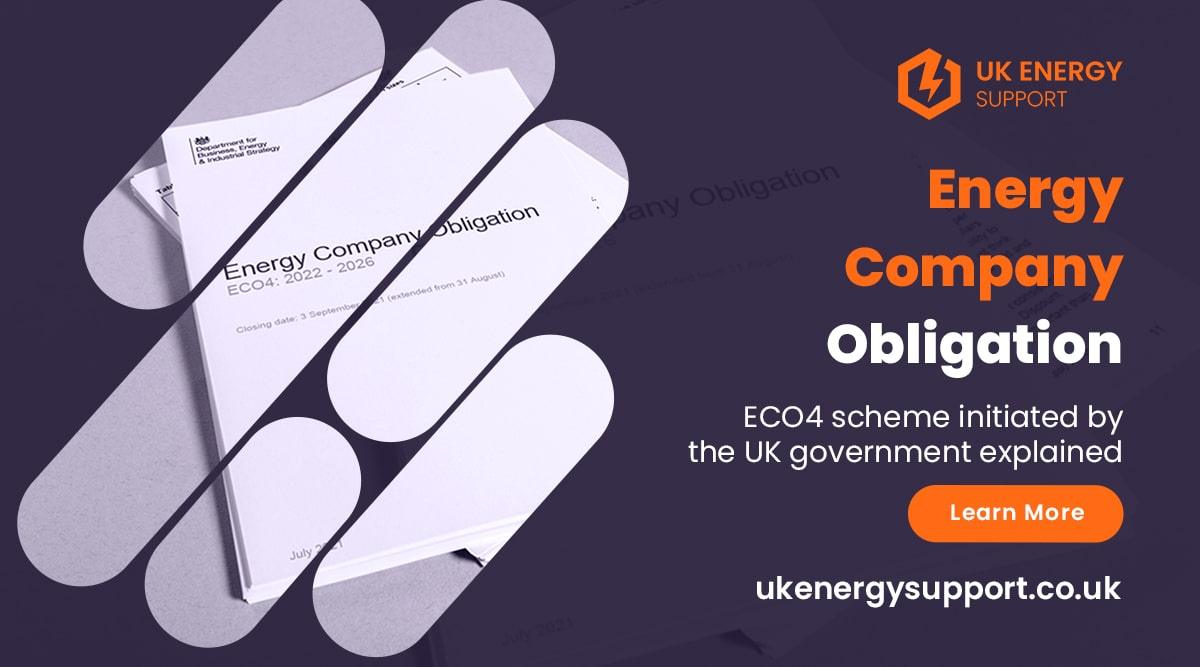
The ECO is structured into different phases, with specific targets set for energy suppliers. Under this obligation, companies must support the installation of energy-efficient improvements, such as insulation, heating upgrades, and renewable energy technologies. The current phase, known as ECO4, began in April 2022 and runs until March 2026. It has a target of delivering around 450,000 energy efficiency upgrades, focusing on low-income and vulnerable households.
As of 2023, the ECO scheme has seen substantial participation from major energy suppliers, including British Gas, E.ON, and SSE. By collaborating with local authorities and other organisations, these companies are targeting areas with the greatest need. In addition, the scheme emphasises the importance of addressing the energy performance of social housing, ensuring that these residences meet necessary energy efficiency standards.
Impact on Households and Environment
The ECO scheme not only helps households save on energy bills but also contributes significantly to the UK government’s environmental goals. By reducing overall energy consumption, the scheme aids in lowering carbon emissions and fosters a transition towards a greener economy. In recent studies, it has been reported that households participating in ECO initiatives can save between £100 to £400 annually on their energy bills.
Conclusion and Future Prospects
As the UK strives to meet its climate targets, the Energy Company Obligation is expected to continue playing a pivotal role in improving energy efficiency. Experts anticipate further development of the scheme, with potential expansions to include more technologies and support for a larger segment of the population. The synergy between energy firms, government bodies, and local communities is essential for the success of ECO, reinforcing the importance of collective action in addressing energy poverty and climate change. For households, engaging with the ECO scheme can facilitate access to vital energy-saving opportunities, making it an essential consideration in the pursuit of a more sustainable future.