

The Enduring Legacy of Grey Anatomy
Introduction
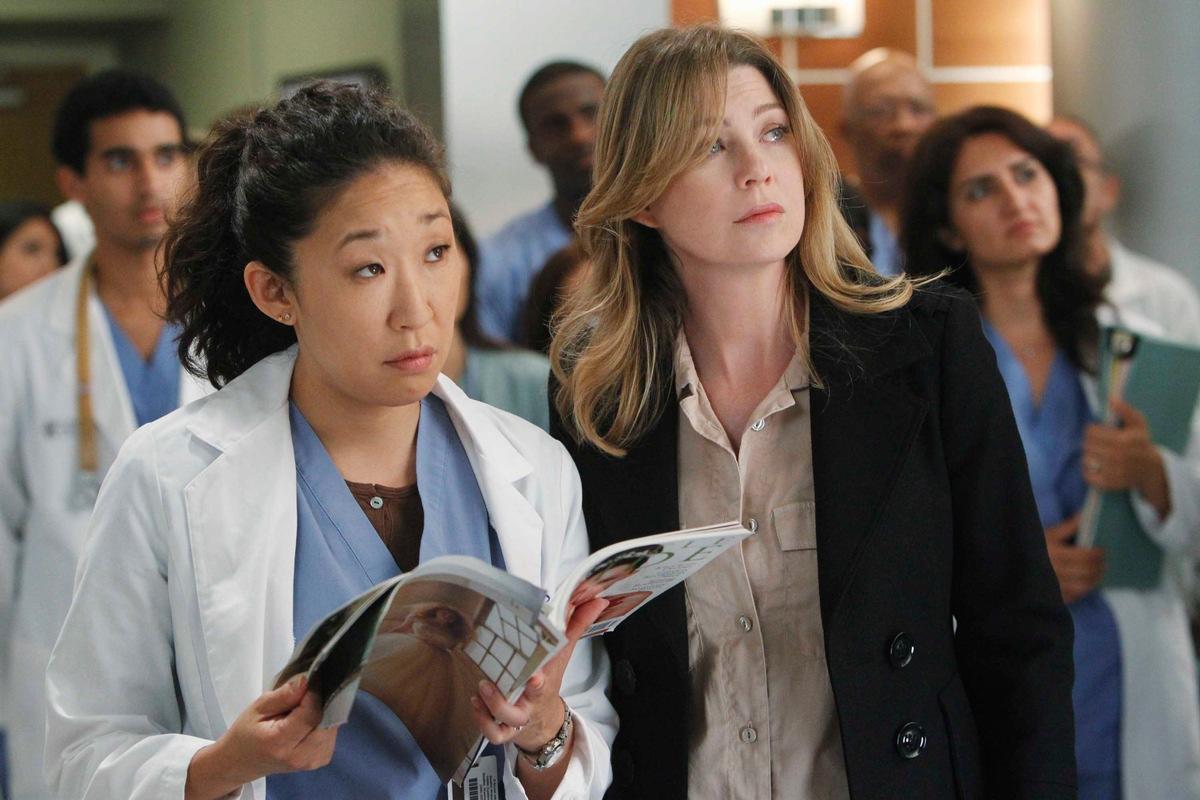
Since its debut in 2005, Grey Anatomy has become a staple of modern television, captivating millions of viewers worldwide. The show, centred around the personal and professional lives of surgical interns and their mentors, combines drama, romance, and poignant storytelling.
A Cultural Phenomenon
Grey Anatomy has not only dominated the ratings but has also played a significant role in shaping discourse around healthcare, gender roles, and the personal struggles of medical professionals. Its influence is seen in the increasing representation of diverse characters and social issues within mainstream media.
Recent Developments
As of October 2023, Grey Anatomy has completed its 19th season, making it one of the longest-running scripted primetime series in television history. The show has introduced new characters while retaining beloved originals, and its ability to evolve with the times has kept it relevant. Recent episodes have tackled topical issues such as mental health in healthcare providers and the impact of technology on patient care.
Audience Reception
Viewership remains strong; the franchise has garnered numerous awards, including accolades from both the Emmys and Golden Globes. The show’s creator, Shonda Rhimes, remains an influential figure in the television industry, credited with modernising dramatic storytelling with her nuanced characters and complex narratives.
Conclusion
Grey Anatomy continues to be more than just a television show; it is a cultural touchstone that reflects and influences societal attitudes. As it heads into the next season, fans anticipate new storylines and developments that address contemporary issues in healthcare, ensuring that Grey Anatomy remains relevant in an ever-changing world. The series has likely set the stage for another decade of engaging storytelling, further solidifying its place in television history.