

The Creative Journey of Guy Ritchie: A Pioneering Filmmaker
Introduction
Guy Ritchie, known for his distinctive directorial style and engaging storytelling, has made a significant mark in the film industry. Since the late 1990s, his work has influenced a generation of filmmakers and redefined the crime genre through a unique blend of witty dialogue, dynamic editing, and compelling characters. With diverse projects ranging from British gangster films to Hollywood blockbusters, Ritchie remains a critical figure whose films continue to resonate with audiences.
Career Highlights
Ritchie’s career took off with his directorial debut, Lock, Stock and Two Smoking Barrels (1998), which introduced viewers to his signature style. The film was praised for its clever plot and strong characterisation, quickly establishing Ritchie as a fresh voice in British cinema. This was followed by the equally successful Snatch (2000), which showcased a similar tone but executed on a larger scale, further solidifying his reputation.
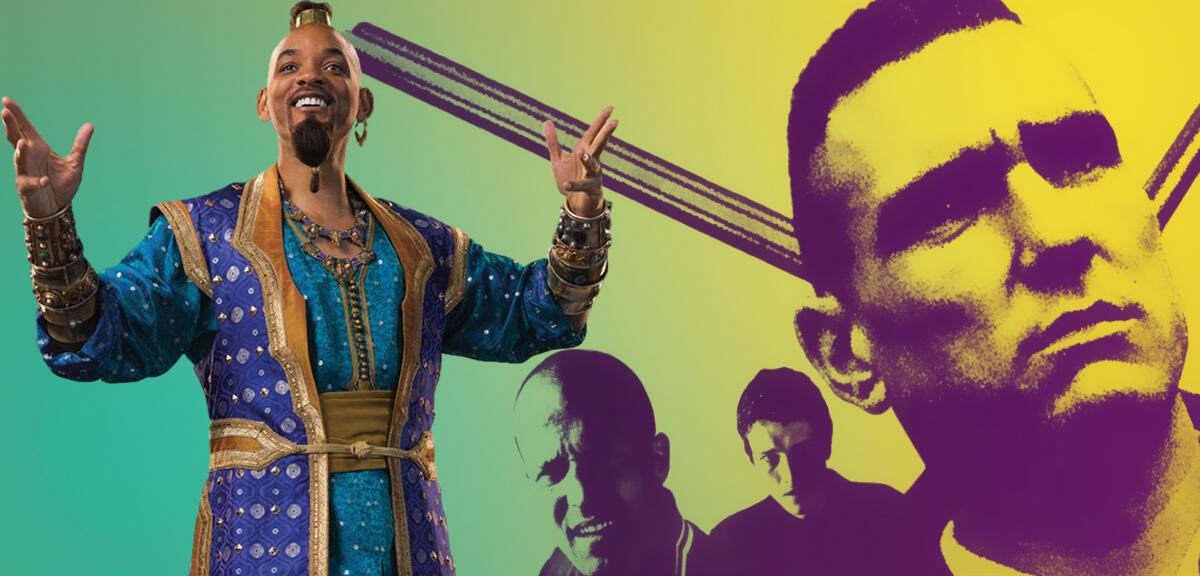
In the years that followed, Ritchie explored various genres, most notably with Sherlock Holmes (2009) and its sequel in 2011, which brought his flair to the action-adventure genre, earning critical and commercial success. His recent ventures include reimagining classic tales, as seen in the live-action adaptation of Disney’s Aladdin (2019) and his latest project, Operation Fortune: Ruse de Guerre (2023), which combines espionage with Ritchie’s trademark humour.
Recent Developments and Future Projects
In 2023, Ritchie celebrates not only his continued success but also his evolution as a filmmaker. His latest projects have received favourable reviews, highlighting his ability to adapt while maintaining his distinctive voice. Film critics and audiences have commended his knack for forging engaging narratives that resonate with viewers on multiple levels.
Looking ahead, Ritchie has teased audiences with hints of exploring new narratives and genres. Reports suggest he may be developing a contemporary crime drama that reflects current societal issues, underscoring his keen interest in relevance and authenticity in storytelling.
Conclusion
Guy Ritchie’s contribution to film extends beyond entertainment; he has reshaped how stories can be told, leveraging innovation to captivate audiences. As he continues to evolve, viewers can expect a blend of Ritchie’s established style with fresh narratives that push creative boundaries. His ongoing projects promise to reinforce his enduring legacy in the film industry, making him a director to watch in the coming years.