

Everything You Need to Know About Paying Council Tax
Introduction
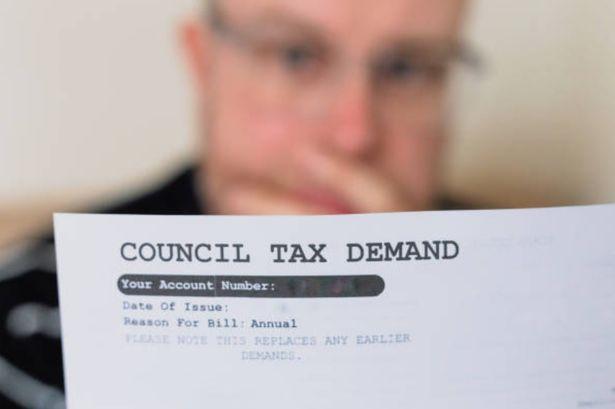
Paying council tax is a vital responsibility for residents of the UK, ensuring that local councils can provide essential services such as waste collection, road maintenance, and community facilities. With the onset of new fiscal policies and changes in local government funding, understanding how to pay council tax correctly is more important than ever for residents. This article will explore the process, recent changes, and the implications of non-payment.
The Council Tax System
Council tax is a local taxation system based on the value of residential properties. It is collected by local councils to fund services and infrastructure, with rates varying depending on the property’s band, which is assessed by the Valuation Office Agency (VOA). The tax is typically paid in monthly instalments, with most councils offering options for those facing financial difficulties.
How to Pay Your Council Tax
Residents can pay their council tax through several methods, including direct debit, online banking, or by using payment cards at post offices. Set up options are usually available on your local council’s website, where you can view your council tax band and the annual amount owed. It’s crucial to ensure that payments are made on time to avoid penalties and additional charges.
Development in Council Tax Regulations
In recent years, councils have been granted the ability to increase council tax rates to help meet funding gaps. According to data from the Ministry of Housing, Communities and Local Government, many councils have opted to raise their rates by the maximum allowed percentage. As such, it’s advisable for residents to keep an eye on budget announcements and changes that may affect their council tax obligations.
What If You Cannot Pay?
If you find yourself struggling to meet your council tax payments, it is vital to contact your local council as soon as possible. Many councils provide support and may offer extended payment plans, reductions for low-income households, or alternative payment options. Ignoring council tax bills can lead to severe consequences, including enforcement action and additional costs, therefore addressing any issues promptly is crucial.
Conclusion
Understanding your obligations to pay council tax is essential for every resident. With the recent adjustments to council tax policies and increased rates, staying informed is critical for effective budgeting. Residents are encouraged to seek assistance when needed and utilise available resources to ensure they meet their council tax payments without undue hardship. By prioritising payment responsibilities, individuals contribute to the betterment of their communities through vital local services.