

What You Need to Know About Council Tax in the UK
Introduction
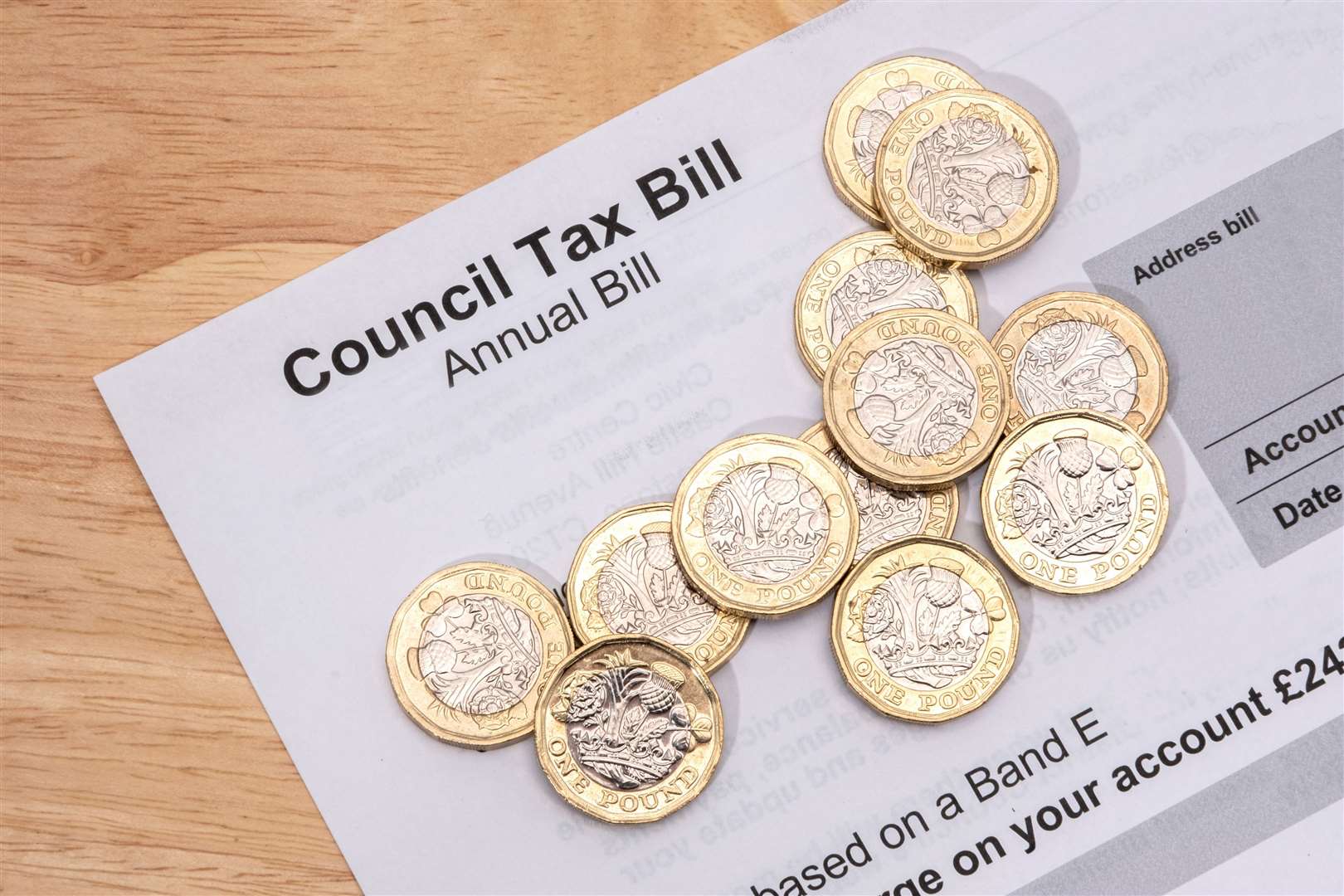
Council tax is an essential aspect of local governance in the United Kingdom, providing a primary funding source for local services such as waste collection, education, and social care. With significant changes in legislation, revised rate bands, and ongoing discussions about fairness, understanding council tax has become increasingly important for residents across the UK.
What is Council Tax?
Council tax is a local taxation system introduced in April 1993, which replaced the former community charge or ‘poll tax’. It is levied on domestic properties and is based on the estimated value of each home, which is assigned to one of eight valuation bands (A to H). The amount of tax varies depending on the band and the local authority’s requirements. For the 2023-2024 financial year, the average council tax bill in England has increased by 5%, reflecting the need for additional funding for essential services amid rising inflation and growing demand.
Recent Developments
In recent months, various local councils have raised concerns about the sustainability of funding through council tax alone. Some councils have implemented higher percentage increases to meet budgetary needs. For instance, in response to the increased cost pressures, local authorities in London have introduced increases above the national average, causing significant debate around the affordability of housing and council taxes in urban areas.
Additionally, the government has introduced measures to ensure that vulnerable households are supported, including council tax reduction schemes for low-income residents. Recent statistics indicate that an estimated 1.4 million households are currently claiming council tax support, which ensures that even those with limited income can access essential services without facing undue financial pressure.
Future Implications
As discussions around council tax continue, several factors will likely influence its evolution. The ongoing economic challenges, coupled with service demand, will affect how council tax is structured moving forward. Experts suggest that revisiting the valuation bands and considering a more progressive taxation system may be warranted to address concerns about fairness and affordability.
Conclusion
Council tax remains a critical element of local government funding in the UK. For residents, understanding the intricacies and changes associated with council tax is essential to navigating their financial responsibilities. As local councils adapt to economic pressures, the potential for reform remains high, and citizens are encouraged to stay informed about how these changes may impact their communities.