

The Journey of Ole Gunnar Solskjær in Football
Introduction
Ole Gunnar Solskjær, a name synonymous with Manchester United and revered in the world of football, continues to captivate fans and pundits alike. His legacy spans decades, starting from his days as a clinical striker for the Red Devils to his challenging yet impactful tenure as the club’s manager. Understanding Solskjær’s journey is essential for appreciating modern football’s evolution, particularly the dynamics within elite football management.
Playing Career
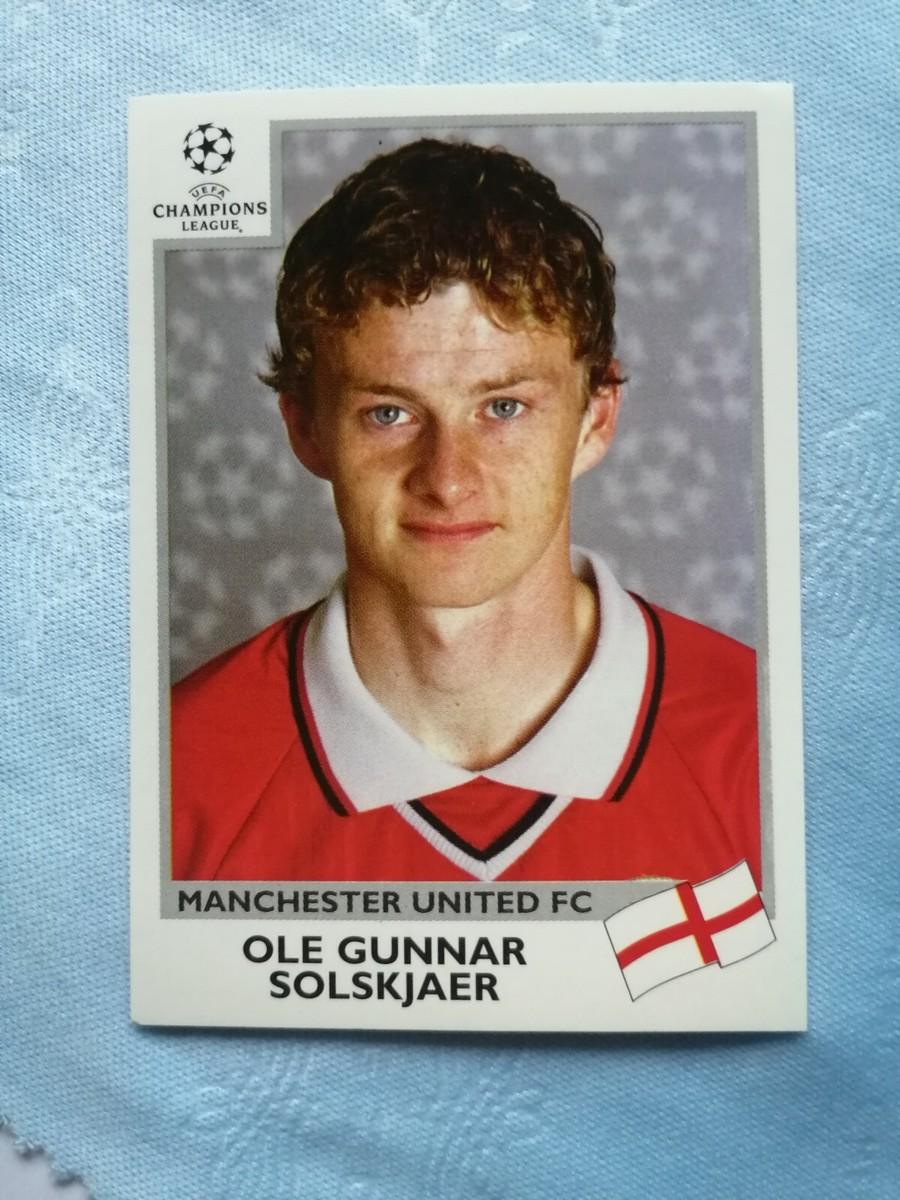
Born on February 26, 1973, in Kristiansund, Norway, Solskjær began his professional career at Clausenengen before moving to Molde, where he showcased his goal-scoring prowess. In 1996, he transferred to Manchester United, where he became a vital part of Sir Alex Ferguson’s squad. Solskjær earned the nickname ‘The Baby-faced Assassin’ due to his youthful appearance and knack for scoring late goals. His most notable contribution was scoring the winning goal in the 1999 UEFA Champions League final, securing an iconic treble for the club.
Managerial Role
After retiring in 2007, Solskjær began his managerial career with the reserves at Manchester United before taking on the head coach role at Molde FK, where he won two successive league titles. In December 2018, he returned to Manchester United as an interim manager, initially appointed to stabilise the club. His infectious enthusiasm and ability to connect with the players brought a revival, leading to an impressive unbeaten run and a permanent managerial appointment in March 2019.
Despite a rocky road marked by inconsistent performances, Solskjær led the team to a Europa League final in 2021 and secured a second-place finish in the Premier League, demonstrating his capability to navigate the pressures of top-flight football management. However, following a string of poor results, he parted ways with the club in November 2021.
Legacy and Impact
Solskjær’s influence on Manchester United and the wider footballing world cannot be overstated. He remains a beloved figure among fans for his dedication to the club and his iconic moments on the pitch. His managerial philosophy, which emphasised attacking football and youth development, has left a lasting imprint on the club’s future direction.
Conclusion
As Ole Gunnar Solskjær steps back from the limelight, his journey from player to manager illustrates the evolving narrative of a football legend. His tenure highlighted the challenges faced by modern managers and the expectations tied to their legacy. For fans and aspiring coaches, Solskjær’s career serves as a beacon—reminding us of the passion and resilience required to succeed in the beautiful game. His story is a testament to the enduring spirit of Manchester United and the football community at large.