

Exploring the Economic and Cultural Landscape of Ivory Coast
Introduction
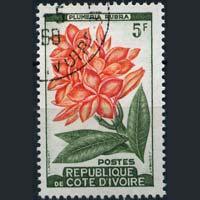
Ivory Coast, also known as Côte d’Ivoire, is a West African nation known for its rich cultural heritage and significant economic growth. As one of the largest producers of cocoa globally, it plays a key role in the agricultural sector, making it vital to both local and international economies. Understanding the dynamics of Ivory Coast is essential, especially as it grapples with the challenges of development, political stability, and global market fluctuations.
Economic Growth and Challenges
In recent years, Ivory Coast has displayed remarkable economic resilience, with a growth rate averaging 7% annually, according to the World Bank. The country’s economy is heavily reliant on agriculture, with cocoa and coffee as its primary exports. In 2022, cocoa exports alone accounted for over 15% of the nation’s GDP, which has led to an influx of foreign investment primarily from multinational companies seeking to tap into its agricultural potential.
However, challenges persist. The nation has faced issues related to land ownership disputes, infrastructure deficits, and the effects of climate change on crop yields. In 2023, the government launched initiatives aimed at boosting agricultural productivity and ensuring sustainable practices to mitigate the adverse impacts of environmental changes.
Cultural Heritage and Diversity
Beyond economics, Ivory Coast is a mosaic of ethnic groups, languages, and traditions. With over 60 different ethnicities, the country is renowned for its rich cultural tapestry, which is often celebrated through traditional music, dance, and cuisine. The national dance, ‘Zaouli,’ and music genres like ‘Couper-Décaler’ have gained international recognition, showcasing Ivorian culture to a broader audience.
In 2023, efforts to promote cultural tourism have intensified, aiming to attract visitors to Ivory Coast’s national parks and UNESCO World Heritage Sites, including the historic city of Grand-Bassam and the Comoé National Park. This initiative not only aims to bolster the economy but also to preserve and celebrate the nation’s diverse cultural heritage.
Conclusion
As Ivory Coast continues to navigate through its economic and cultural complexities, it stands at a crossroads of opportunity and challenge. The sustained growth in its agricultural sector, combined with initiatives to enhance cultural tourism, suggests a future marked by potential prosperity. For readers, staying informed about developments in Ivory Coast is crucial, as the country’s trajectory can have implications for global markets, cultural exchanges, and international relations.