

Russian Jets Encounter NATO Airspace Over Lithuania
Introduction
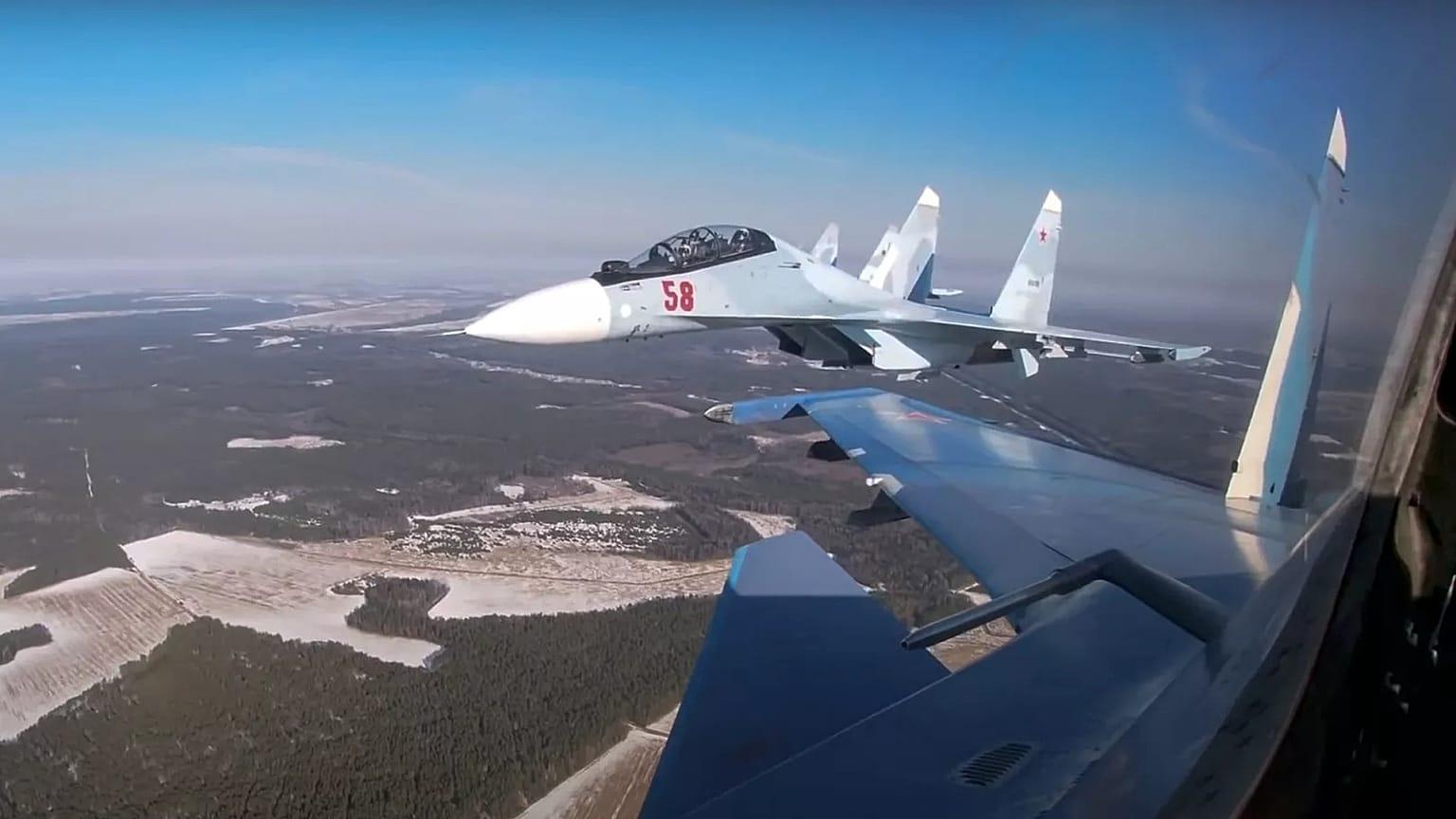
The incursion of Russian jets into NATO airspace over Lithuania serves as a stark reminder of the heightened tensions between Russia and Western nations. With the ongoing conflict in Ukraine and increasing military exercises by both NATO and Russian forces, these events underscore the fragile dynamics of security in Eastern Europe. This article explores the implications of recent encounters of Russian military aircraft within NATO-controlled areas, particularly focusing on Lithuania.
Details of Recent Incursions
On October 15, 2023, Lithuanian air force officials reported that several Russian fighter jets were detected operating near the borders of NATO airspace. The encounters lasted for several hours and were closely monitored by NATO surveillance systems, which are in place to ensure the integrity of member airspace. According to NATO sources, the incidents did not result in hostile actions, but they add to the growing list of unusual military movements by Russia that have raised alarms since the beginning of the ongoing conflict in Ukraine.
Officials from Lithuania’s Defence Ministry have expressed concern that such flights are not routine training missions but rather provocative displays of military capability intended to signal power near NATO’s eastern flank. Lithuania, as a frontline state against Russian aggression, has been increasing its military readiness and cooperation with other NATO allies.
NATO’s Response
In response to the increasing incursions, NATO has bolstered its eastern flank by deploying additional troops and enhancing surveillance operations. The Secretary-General of NATO, Jens Stoltenberg, has reiterated the commitment of the alliance to defend every member country, emphasizing that any breach of NATO airspace will be taken seriously. He noted that the alliance is prepared to respond to any escalation and reassured member states of their collective security obligations.
Conclusion
The recent sightings of Russian jets within NATO airspace over Lithuania are indicative of the ongoing geopolitical tensions in the region. As the situation evolves, the readiness of NATO forces will be crucial in deterring further incursions. Analysts predict a continued escalation of military posturing from both NATO and Russia, necessitating vigilant monitoring and robust diplomatic efforts to prevent miscalculations that could lead to unintended conflict. For citizens of NATO member states, particularly those in Eastern Europe, these developments serve as a reminder of the critical importance of unity and strength within the alliance.