

Understanding Antidepressants Side Effects
The Importance of Understanding Antidepressants Side Effects
Antidepressants play a crucial role in treating depression and anxiety disorders, affecting millions of individuals across the globe. However, while these medications can provide significant relief, understanding their potential side effects is equally important for informed decision-making. With the rise in antidepressant prescriptions, particularly during the COVID-19 pandemic, it is essential for both patients and healthcare providers to discuss these effects thoroughly.
Common Side Effects of Antidepressants
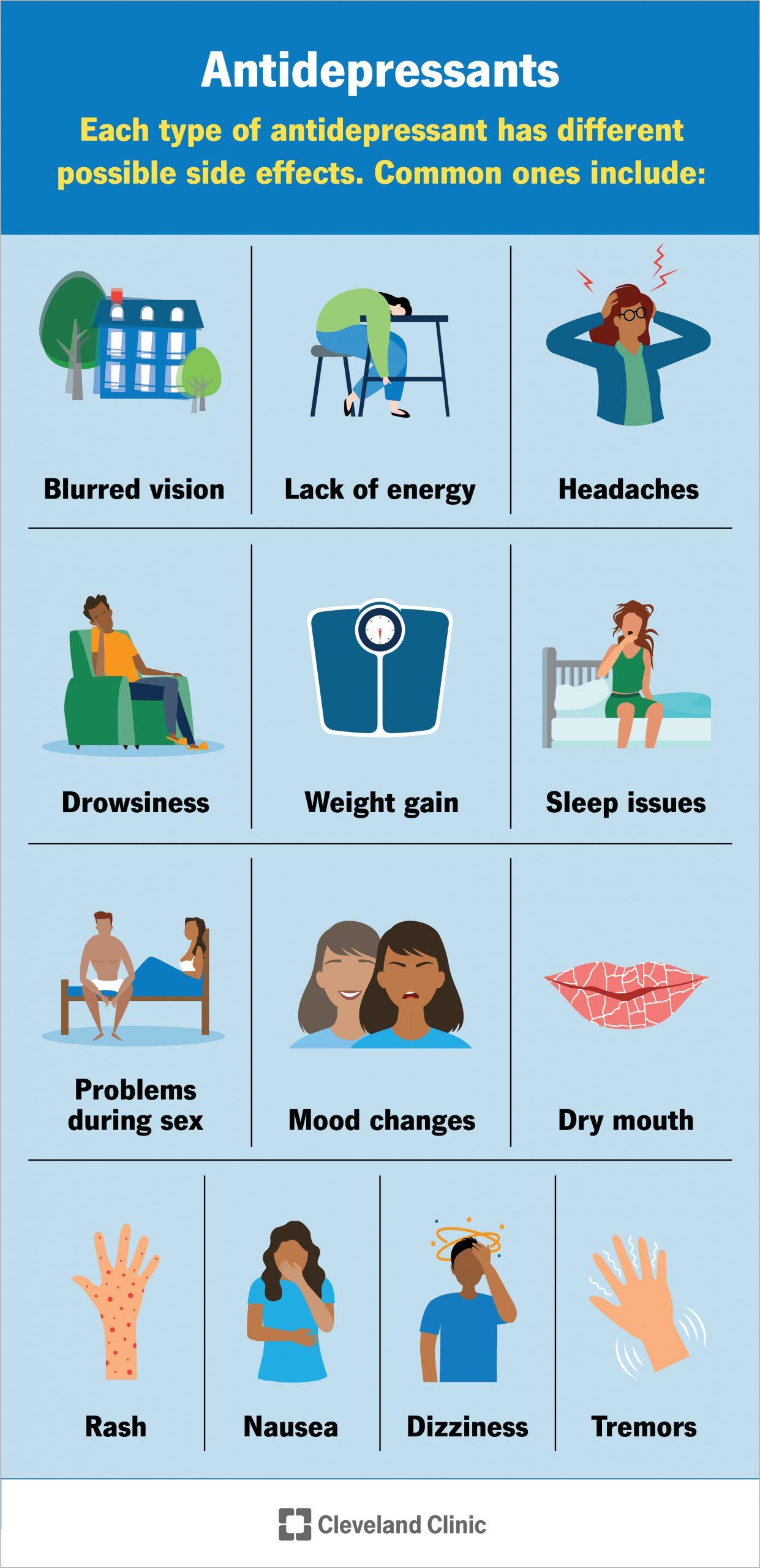
Antidepressants can come with a variety of side effects, which may differ depending on the type of medication. Selective serotonin reuptake inhibitors (SSRIs), such as fluoxetine (Prozac) and sertraline (Zoloft), are among the most commonly prescribed. Common side effects associated with SSRIs include:
- Nausea and gastrointestinal issues
- Weight gain or loss
- Insomnia or excessive sleepiness
- Sexual dysfunction, including reduced libido
- Increased anxiety
On the other hand, serotonin-norepinephrine reuptake inhibitors (SNRIs) like venlafaxine (Effexor) may cause side effects including dizziness, dry mouth, and increased heart rate. Each individual’s experience may vary based on their health status, dosage, and the specific medication prescribed.
Serious Side Effects and Considerations
While most side effects are manageable, some can be severe. Antidepressants have been linked to an increased risk of suicidal thoughts, particularly in young adults under 25. This necessitates close monitoring during the initial treatment phase or whenever medication adjustments are made. Additionally, some individuals may experience withdrawal symptoms that can occur if they suddenly stop taking their medication, highlighting the need for a gradual discontinuation plan supervised by a healthcare professional.
The Importance of Communication with Healthcare Providers
Communication is crucial for effective treatment. Patients should feel empowered to discuss their concerns and side effects with their prescribers. Adjustments in dosage or switching to a different medication may alleviate some adverse effects while still providing therapeutic benefits. Regular follow-up appointments can ensure that both the effectiveness and the side effects of the medication are optimally managed.
Conclusion: Informed Choices in Mental Health Treatment
Understanding the side effects of antidepressants is vital for individuals considering or currently undergoing treatment for mental health issues. While these medications can be life-changing and essential for recovery, recognising potential side effects allows patients to make informed decisions. Collaboration with healthcare providers can enhance the treatment experience, ultimately leading to more successful outcomes. As research continues to evolve, better treatment protocols are likely to emerge, enabling individuals to find effective therapy with fewer side effects.