

Understanding Methanol Poisoning: Causes and Prevention
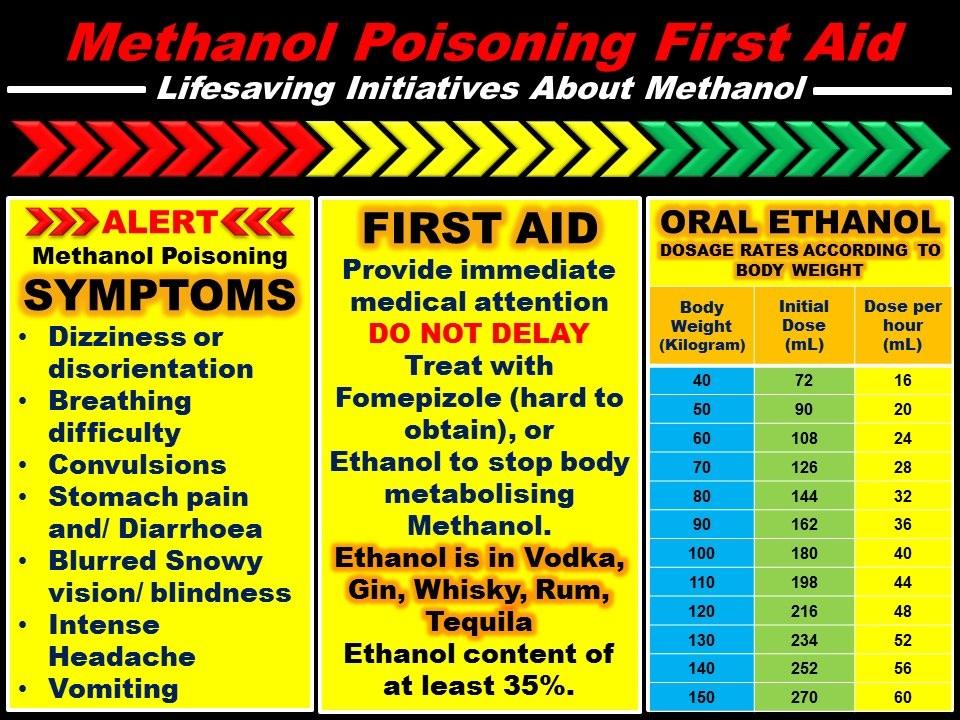
The Importance of Awareness Around Methanol Poisoning
Methanol poisoning remains a significant public health concern as it can lead to severe health complications and even death. With the rise of illicit alcohol production and the availability of methanol for industrial uses, understanding the effects and prevention of methanol poisoning is more critical than ever.
What is Methanol Poisoning?
Methanol, also known as wood alcohol, is a type of alcohol used primarily in industrial applications and as a solvent. It is highly toxic to humans. The body metabolizes methanol into formaldehyde and formic acid, substances that cause metabolic acidosis and damage to the optic nerve. Symptoms of methanol poisoning can include headache, dizziness, nausea, vomiting, and in severe cases, can lead to blindness or death.
Recent Incidents and Statistics
In recent years, there have been several reported cases of methanol poisoning across the globe, particularly linked to illicit alcohol consumption. According to the World Health Organization (WHO), thousands of deaths occur annually due to methanol poisoning in nations with significant illegal alcohol production. Notably, in 2022, a large outbreak in Iran resulted in over 700 reported cases, with many fatalities highlighting the scale of this issue.
In addition to illegal alcohol, methanol can also be found in some household products and fuels, leading to accidental poisonings. Public health campaigns have begun to raise awareness about the dangers of methanol and its sources, aiming to reduce the risk factor among the general population.
Prevention Strategies
Preventing methanol poisoning requires public education regarding the dangers of methanol consumption and appropriate legislation controlling the sale of industrial chemicals. People should be aware of the risks of consuming non-regulated alcohol, particularly in regions with known issues of methanol content. Additionally, strict regulatory measures should be enforced on the production and distribution of methanol-containing products.
Conclusion: Moving Forward
As global awareness of methanol poisoning continues to grow, it is imperative for governments, healthcare providers, and communities to work together to prevent further tragedies. Emphasising education about the dangers of methanol and ensuring that clear labeling and regulations are in place can significantly reduce the incidence of methanol poisoning. Moving forward, a comprehensive approach that includes both prevention and immediate treatment protocols for those affected is essential in tackling this ongoing public health issue.