

The Impact of Resident Doctors Strikes on Healthcare
Introduction
The recent strikes by resident doctors across various hospitals have not only highlighted the challenges faced by medical professionals but also raised concerns regarding patient care in the healthcare system. This wave of strikes, prompted by issues such as long working hours, inadequate pay, and insufficient support, is attracting significant attention due to its impact on millions of patients reliant on these essential healthcare providers.
Overview of Strikes
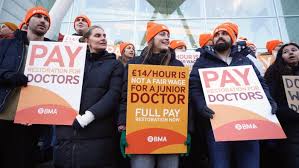
In October 2023, resident doctors in several countries including the UK, India, and the USA have taken to the picket lines, demanding better working conditions and improved remuneration. The strikes have been characterised by large turnouts and strong solidarity among healthcare professionals. In England, the British Medical Association (BMA) reported that thousands of junior doctors participated in a three-day strike, which was prompted by their prolonged negotiations for fairer pay.
Causes of the Strikes
The primary reasons cited for the strikes include:
- Long Working Hours: Many resident doctors are reporting burnout due to excessive shifts, often exceeding the standard working hours.
- Fair Compensation: The financial compensation for resident doctors has not kept pace with inflation, leading to dissatisfaction among those in training.
- Lack of Support: Doctors have expressed concerns over inadequate staffing levels, which puts additional stress on their roles and affects patient care.
Impact on Healthcare Services
The strikes have significant implications for healthcare services. Hospitals have been forced to postpone non-urgent surgeries and appointments, leading to a growing backlog in patient care. In areas where resident doctors are the backbone of hospital staffing, the impact is particularly acute. For instance, in London, surgical theatres went unscheduled, and outpatient clinics faced closures, raising alarms about patient safety and the potential worsening of health outcomes for untreated conditions.
Conclusion
As the strikes continue, the importance of addressing the concerns raised by resident doctors cannot be overstated. Health policymakers must recognise the validity of these grievances to ensure a sustainable workforce in the coming years. The future of healthcare relies on the well-being of those who dedicate their lives to patient care, and the current situation serves as a pivotal point for reform in the NHS and other healthcare systems worldwide. If resolutions are not reached soon, we may see more protracted strikes, further impacting the delivery of critical healthcare services.