

Winston Churchill: The Architect of Modern Britain
Introduction
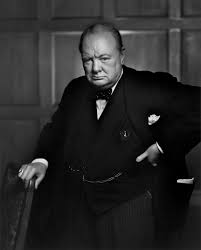
Winston Churchill, the British Prime Minister during World War II, is a central figure in modern history, known for his leadership during one of the most tumultuous periods in global affairs. His tenacity and oratory prowess not only galvanised a nation in peril but also reshaped the geopolitical landscape of the 20th century. As we reflect on his life and contributions, his significance in contemporary politics and society remains ever relevant.
Churchill’s Early Life and Political Rise
Born in 1874 to an aristocratic family, Churchill’s career began in the military before transitioning into journalism and politics. His early involvement in the Boer War and subsequent writing brought him into the political spotlight. By 1900, he was elected as a Conservative Member of Parliament, but he would later switch allegiance to the Liberal Party, indicating his willingness to adapt and change in a professional landscape that was rapidly evolving.
Leadership During World War II
It was during World War II that Churchill truly emerged as a global leader. Assuming the role of Prime Minister in 1940, he faced the daunting task of rallying Britain amidst the chaos of war. His famous speeches, such as the “We shall fight on the beaches” address, boosted the morale of the British people and underscored his resolve to never surrender. Churchill’s strategic partnerships with other Allied leaders, including Franklin D. Roosevelt and Joseph Stalin, were crucial to the eventual victory.
Post-War Impact and Legacy
After the war, Churchill’s influence continued to shape international relations, famously coining the term “Iron Curtain” to describe the division in Europe. His warning about the spread of communism underscored his foresight and cemented his place in Cold War history. Although his political career included a loss in the 1945 election, his impact was undeniable, and he returned to power from 1951 to 1955, continuing to influence British and global politics.
Conclusion
Winston Churchill’s legacy is complex, encompassing his strategic brilliance, courageous leadership, and multifaceted personality. Today, he stands as a symbol of resilience and determination in the face of adversity. As the world grapples with new challenges and conflicts, revisiting Churchill’s approaches and strategies can offer valuable insights for current and future leaders. His life’s work remains a testament to the power of effective leadership in times of crisis.