

Recent Developments in the Jonty Bravery Case
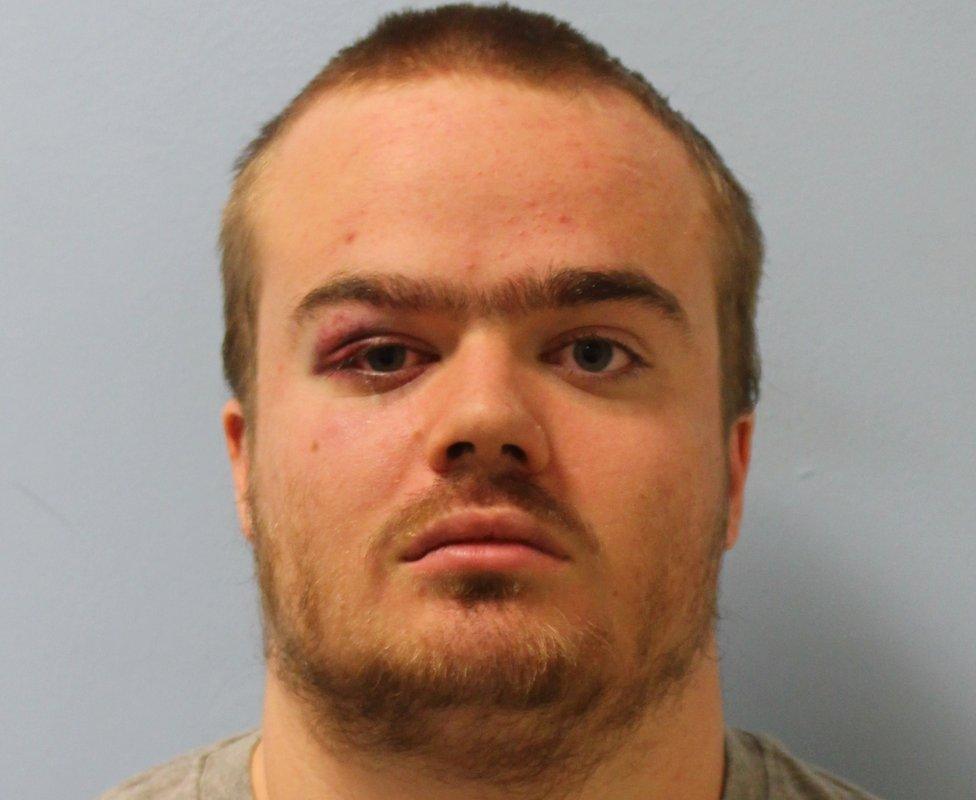
Introduction
The case of Jonty Bravery has captured public attention, highlighting significant issues related to mental health, legal responsibility, and public safety. Bravery, a young man charged with attempted murder, has been in the spotlight following the tragic incident in 2019, where he pushed a child from a viewing platform at the Tate Modern gallery in London. This situation raises important questions about the complexities of mental health in the judicial system and the measures that can be taken to prevent similar incidents in the future.
Case Background
Bravery, who was 17 years old at the time of the incident, was sentenced to 15 years in prison. The court proceedings revealed that he had been diagnosed with severe psychiatric conditions, which played a significant role in the nature of the case. According to reports, Bravery exhibited erratic behaviour prior to the incident and had been under psychiatric care. The victim, a six-year-old boy, was fortunate to survive the fall but sustained life-altering injuries. The incident shocked the nation and raised awareness about the need for improved mental health support.
Recent Court Decisions
In October 2023, a High Court judgment concluded Bravery’s legal proceedings, affirming the previous sentencing while considering the implications of his mental health status. The judges acknowledged the serious nature of his actions but emphasised the importance of addressing mental health issues within the legal framework. The court expressed hope that Bravery would receive adequate treatment during his incarceration, which could lead to rehabilitation.
Public Reaction and Implications
The case has sparked widespread debates across various platforms, from social media to academic discussions. Many advocates and psychologists argue that better mental health education and resources should be implemented to prevent such tragedies. Local community organisations are calling for increased funding and support mechanisms for at-risk youth to prevent similar incidents in the future. Furthermore, there have been discussions around the need for legislative changes that prioritise mental health in sentencing.
Conclusion
The Jonty Bravery case serves as a stark reminder of the intersection between mental health and criminal responsibility. While the legal system has reached its verdict, the ongoing conversation about mental health awareness and intervention strategies is crucial for societal progress. As we move forward, it is imperative for policymakers, mental health providers, and educational institutions to work together to create safer environments for all, ensuring that vulnerable individuals receive the support they need to prevent future tragedies.