

The Lasting Legacy of Wuthering Heights
Introduction
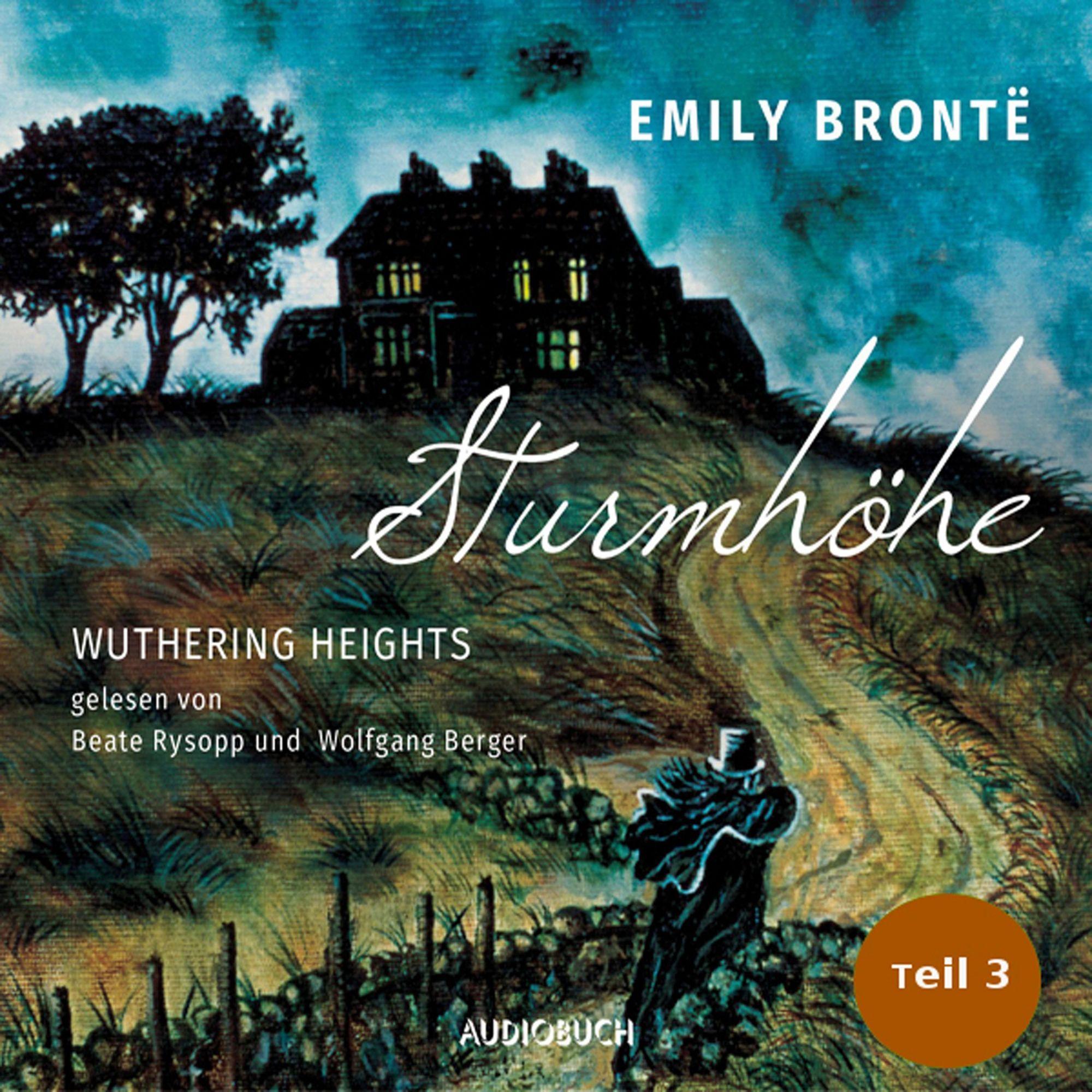
Wuthering Heights, published in 1847 by Emily Brontë, is a novel that has captivated readers for generations. Its exploration of passion, revenge, and the complexities of human relationships has rendered it a timeless classic. The novel not only showcases Brontë’s rich storytelling but also delves into themes that remain relevant in today’s society, making it a subject of study and admiration in literary circles.
The Storyline and Main Themes
The narrative revolves around the tumultuous love affair between Catherine Earnshaw and Heathcliff, whose harrowing experiences shape their identities and destinies. The harsh moorland setting of Yorkshire reflects the characters’ intense emotional states, serving as an almost character itself. The novel is rife with themes of love, social class, and the supernatural, intertwining the characters’ lives in a web of conflict and desire.
Catherine’s decision to marry Edgar Linton despite her love for Heathcliff incites his obsession, leading to a cycle of revenge that affects multiple generations. This central conflict highlights the destructive nature of unbridled passion and the societal expectations of the time. Brontë’s use of multiple narrators adds depth to the story, allowing readers to engage with differing perspectives and moral complexities.
Modern-Day Relevance
Wuthering Heights continues to resonate with contemporary readers, particularly in its exploration of themes such as love versus hate and the impact of environment on personality. It prompts discussions on mental health, obsession, and the consequences of emotional isolation. The stark portrayal of passionate love, notably through Heathcliff’s character, challenges traditional romantic ideals and invites readers to question the nature of love itself.
Moreover, the novel’s influence extends beyond literature; it has inspired countless adaptations in film, theatre, and even music. Recent interpretations have sought to modernise its themes, further proving its adaptability and relevance. The continued revival of interest in Brontë’s work underscores the idea that some stories transcend time, echoing the human experience across generations.
Conclusion
In conclusion, Wuthering Heights stands as a monumental work in English literature whose themes of love, revenge, and social critique remain strikingly relevant today. The intense emotional landscape crafted by Emily Brontë is not only a historical reflection of its time but also a mirror of the passions and pitfalls that humanity continues to face. Readers are encouraged to delve into the intricacies of the novel, as its enduring legacy offers insights that resonate far beyond its pages.