

Graham Linehan: The Impact of a Controversial Writer
Introduction
Graham Linehan, an Irish writer and television producer, has become a notable figure due to his outspoken views on gender identity and transgender rights. His controversial stances have sparked widespread debate, drawing both support and condemnation from various sectors of society. Understanding Linehan’s impact is particularly relevant in today’s climate, as conversations around gender and identity continue to evolve rapidly.
Background and Recent Developments
Linehan is best known for co-creating the acclaimed television series ‘Father Ted’. However, in recent years, his focus has shifted towards activism. Starting around 2015, he became increasingly vocal against transgender rights, particularly opposing changes to the Gender Recognition Act that would make it easier for individuals to legally change their gender. This led to him being banned from several major social media platforms due to violations of their policies against hate speech.
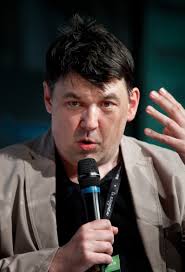
In September 2023, Linehan appeared at a speaking event in London that drew significant media attention and public protest. While he attracted supporters who resonated with his views on gender, he also faced vehement opposition from activists advocating for transgender rights. The event highlighted the deep divisions within society regarding gender identity and the rights of transgender individuals.
Public Reactions and Consequences
Public reaction to Linehan’s views has been sharply polarised. However, the backlash against him has raised critical questions about free speech, social media regulation, and the limits of public discourse. Supporters claim that Linehan’s positions represent a staunch defence of women’s rights and concerns over the implications of gender identity policies. Critics, however, argue that his rhetoric has contributed to a climate of hostility and misunderstanding towards the transgender community.
Furthermore, Linehan’s controversies have ignited debates about the responsibilities of public figures, the impact of online discourse, and how society navigates the balance between protecting free expression and preventing hate speech.
Conclusion
As the conversation surrounding gender identity continues to develop, Graham Linehan remains a contentious figure. His activism raises important questions about the future of gender rights and the evolving landscape of public opinion. Observers suggest that as societal attitudes shift, the dialogue around such figures is crucial in shaping both individual beliefs and broader legislative changes. This case serves as a reminder of the complexities surrounding identity and the need for respectful and informed discourse in a rapidly changing social landscape.