

The Forsytes: Exploring a Timeless Literary Legacy
Introduction
The Forsytes, a renowned fictional family created by author John Galsworthy, have left an indelible mark on literature, offering readers a profound exploration of social change and family dynamics at the turn of the 20th century. Through ‘The Forsyte Saga’, consisting of three novels and various interludes, Galsworthy intricately weaves the themes of love, betrayal, and the evolution of class structure, making the saga relevant even today.
The Forsytes Saga
Published between 1906 and 1921, ‘The Forsyte Saga’ captures the lives of upper-middle-class English families, centring on Soames Forsyte, a wealthy and possessive art dealer. The narrative spans multiple generations, illustrating the conflicts between traditional values and the modern world, reflecting societal issues such as materialism, emotional repression, and changing moral landscapes. Galsworthy’s keen observations of human behaviour resonate throughout, and his ability to blend personal and historical contexts renders the saga a rich tapestry of early 20th-century life.
Recent Adaptations and Relevance
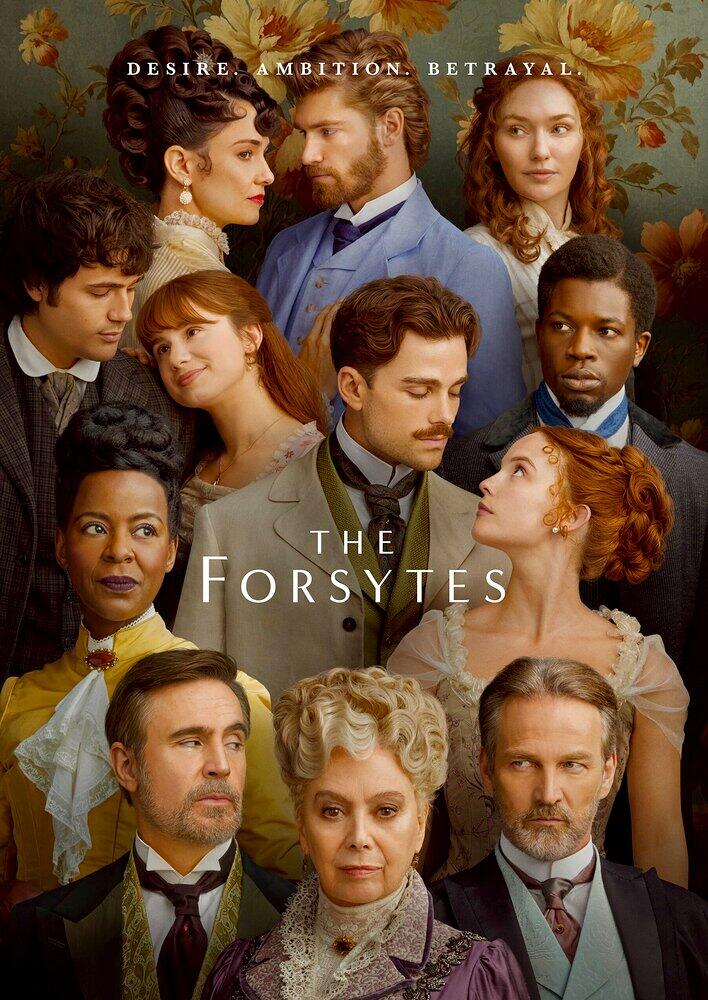
The enduring appeal of The Forsytes has led to numerous adaptations for stage and screen. Most notably, the BBC miniseries aired in 1967 and was revived in 2002, introducing the story to a new generation and sparking renewed interest in Galsworthy’s work. The themes explored, particularly around class and privilege, resonate strongly in today’s discussions on social equity and family structure. Furthermore, Galsworthy’s insights into the conflicts within the family unit continue to provide valuable reflections for contemporary audiences navigating their own familial complexities.
Conclusion
As we look to the future, the legacy of The Forsytes remains significant. The saga not only invites readers to reflect on their familial relationships but also encourages a broader examination of societal changes that persist. The exploration of wealth, power, and emotional connection within families is more relevant than ever, suggesting that the narrative of the Forsyte family will endure as a touchstone for discussions on both personal and societal dynamics. For readers, this literary journey remains an essential resource, blending entertainment with profound social commentary.