

Understanding Polar Vortex Stratospheric Warming
Introduction
The polar vortex stratospheric warming is a crucial climatic event that has garnered attention from meteorologists and climate scientists alike. This phenomenon can significantly alter weather patterns, particularly in the Northern Hemisphere, leading to extreme weather conditions such as severe cold spells and heavy snowfall. Understanding the mechanics behind stratospheric warming is essential, especially as climate change continues to shape our planet’s weather systems.
What is the Polar Vortex?
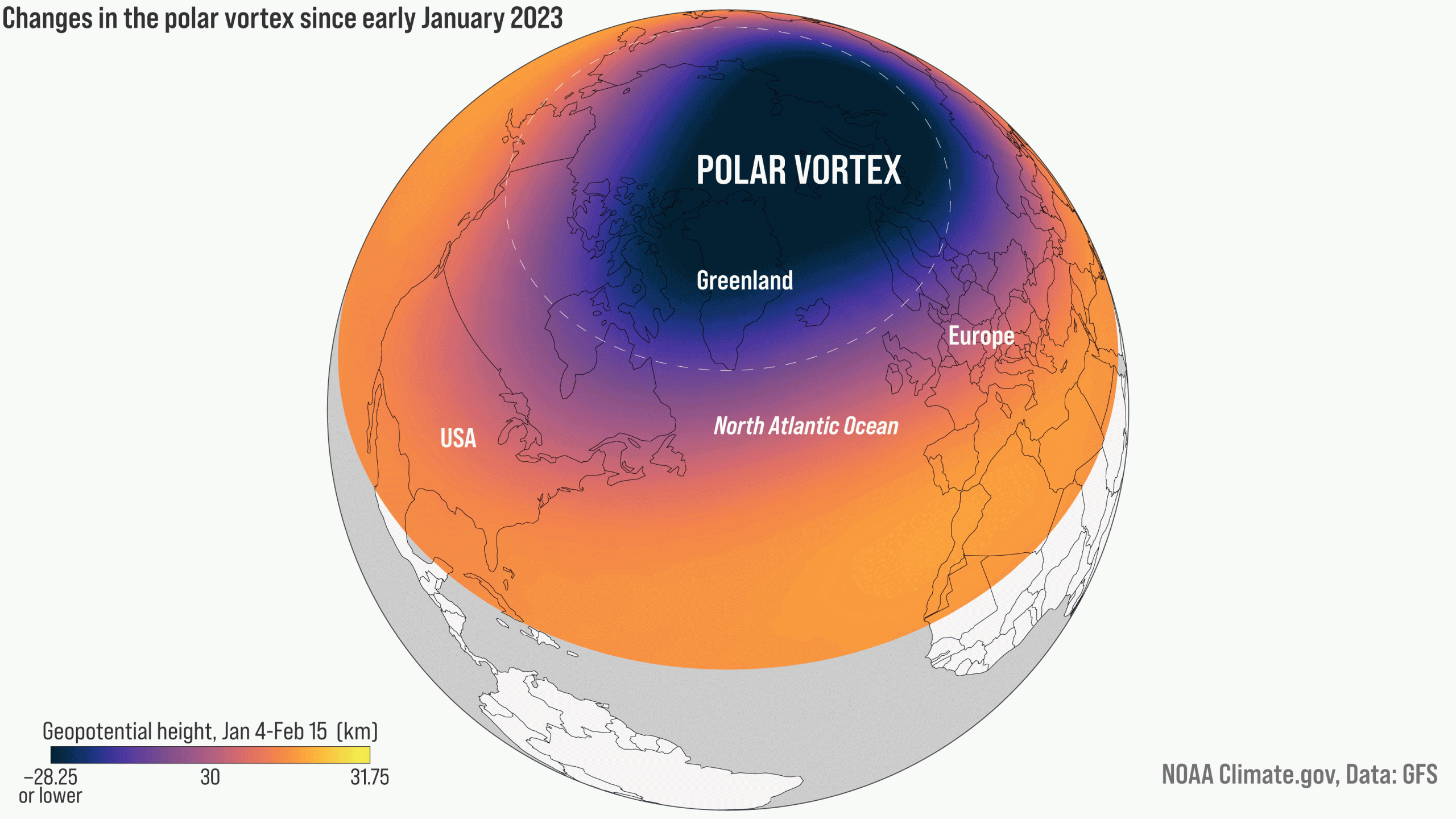
The polar vortex refers to a large area of low pressure and cold air surrounding the Earth’s poles. It exists in the stratosphere, where strong westerly winds form a circular flow that keeps cold air trapped over the polar regions. However, under certain conditions, such as warming of the stratosphere, this structure can become disrupted.
Mechanics of Stratospheric Warming
Stratospheric warming occurs when there are significant increases in temperature in the polar stratosphere, which can happen due to various factors including the interaction of Arctic air masses and disturbances from the mid-latitudes. During a strong stratospheric warming event, the polar vortex can weaken or even split, allowing frigid air to descend further south, impacting regions that usually experience milder winters.
Recent Events and Predictions
In recent years, instances of polar vortex stratospheric warming have become more frequent. For instance, in February 2021, a major stratospheric warming event led to a drastic shift in weather patterns across North America, resulting in unprecedented cold temperatures in Texas. Scientists predict that the increase in frequency and intensity of these warming events may be linked to climate change, which adds urgency to understanding their implications.
Conclusion
The polar vortex stratospheric warming is a phenomenon that underscores the complex interplay between different layers of the atmosphere and has significant implications for global weather. As climate change persists, it is likely that stratospheric warming events will influence weather patterns more often, prompting the need for enhanced forecasting methods and better preparedness for extreme weather conditions. Awareness and understanding of these events can help communities respond effectively to the impacts of shifting climatic patterns.