

Understanding the Kalibr Missile: A Key Russian Asset
Introduction
The Kalibr missile system has gained significant attention in recent years due to its advanced capabilities and strategic importance in military operations. As part of Russia’s modernisation of its armed forces, the Kalibr missiles serve not only as a conventional weapon but also play a key role in Russia’s deterrent strategy against potential adversaries. This article explores the features, recent usage, and implications of the Kalibr missile system.
What is the Kalibr Missile?
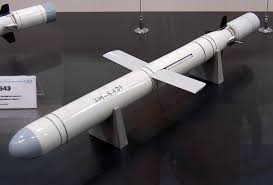
The Kalibr missile family consists of a range of cruise missiles capable of being launched from surface ships, submarines, and ground-based platforms. First introduced in the 1980s, these missiles have since evolved into a sophisticated and versatile arsenal. The most notable variants include the Kalibr-NK (sea-launched), Kalibr-PL (submarine-launched), and Kalibr-S (land-launched). Ranging from 1500 to over 2500 km in their strike capabilities, the missiles are designed for precision strikes against both land and sea targets.
Recent Developments and Usage
In recent months, the Kalibr missile has been prominently featured in military exercises and operations conducted by the Russian military. Notably, during conflicts and confrontations, Kalibr missiles have been deployed in targeted strikes, showcasing their ability to hit strategic locations with impressive accuracy. The missiles have even been utilized in conflicts outside of Russia, such as in Syria, demonstrating Russia’s willingness to leverage this advanced technology to project power and influence on the global stage.
Significance for Global Security
The existence and continuing development of the Kalibr missile system pose implications for global security dynamics. Defence analysts conclude that the missile’s long-range capabilities significantly alter the military balance in regions where they are stationed. This has led to increased tensions among NATO allies and concerns regarding regional security for countries bordering Russia. Moreover, its ability to be launched from various platforms enhances unpredictability, making it a critical element in Russia’s strategic operations.
Conclusion
The Kalibr missile represents a vital component of Russia’s military strategy, reflecting the country’s approach to modern warfare and deterrence. As military capacities evolve, the prevalence and potential use of such advanced weaponry will continue to shape international relations and security policies. For global watchers, understanding the implications of the Kalibr missile is crucial in assessing future military engagements and geopolitical shifts.