

The Fascinating Aurora Borealis: Nature’s Light Show
Introduction to the Aurora Borealis
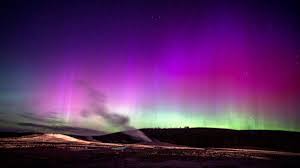
The Aurora Borealis, also known as the Northern Lights, is a stunning natural phenomenon that captivates millions of observers each year. This celestial display occurs primarily in polar regions and is caused by the interaction between solar wind and the Earth’s magnetic field. As scientists continue to study this awe-inspiring light show, its relevance to climate patterns and space weather becomes increasingly clear.
The Science Behind the Aurora Borealis
The Northern Lights are produced when charged particles from the sun collide with gases in the Earth’s atmosphere. As these particles travel towards the poles, they excite atoms in the atmosphere, resulting in colorful displays of light. Observers may see hues of green, pink, red, yellow, blue, and violet dancing across the sky. While most commonly visible in Norway, Sweden, Canada, and Alaska, the aurora can occasionally be seen at lower latitudes during periods of heightened solar activity.
Current Events Related to the Aurora Borealis
In recent months, solar activity has surged, leading to an increase in auroral displays. The National Oceanic and Atmospheric Administration (NOAA) has reported multiple geomagnetic storms, resulting in more frequent sightings of the Aurora Borealis. These storms, caused by coronal mass ejections from the sun, have bolstered interest in aurora tourism, with many travel companies now offering trips specifically to view the lights.
Conclusion: The Future of Aurora Observations
The beauty and mystery of the Aurora Borealis continue to inspire scientists and enthusiasts alike. As climate change unfolds, researchers are keen to understand how changing atmospheric conditions might affect the occurrence and intensity of auroral displays. This natural spectacle not only serves as a reminder of the Earth’s beauty but also highlights the delicate balance within our atmosphere. For those hoping to witness this extraordinary phenomenon, the coming months may offer a prime opportunity, especially during heightened solar activity. As we look to the future, the Aurora Borealis remains a testament to the wonders of our planet and the universe beyond.