

Understanding Asian Giant Hornets and Their Impact
Introduction
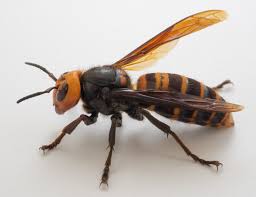
The Asian Giant Hornet (Vespa mandarinia) has garnered significant attention due to its size, aggressive nature, and potential threat to both humans and local ecosystems. Originally native to East Asia, the hornets have made their way to other regions, raising concerns about their impact. Understanding their behaviour, dangers, and ecological significance is crucial in addressing the challenges posed by these insects.
Recent Sightings and Concerns
In recent years, particularly since their discovery in North America in 2019, Asian Giant Hornets have raised alarms among scientists and local communities. The hornets, which can grow up to 2 inches in length, are infamous for their painful stings, which can be fatal to those allergic to the venom. Reports indicate that these hornets have established nests in Washington State, prompting the Washington State Department of Agriculture (WSDA) to launch extensive eradication efforts.
Ecological Impact
Asian Giant Hornets pose a significant threat to honeybee populations, which are vital for pollination and agriculture. A single hornet can decimate a honeybee colony in just a few hours, as they prey on the bees and consume larvae. This predation not only endangers honeybees but also affects other pollinators and consequently impacts food crops and ecosystems. Agricultural experts warn that if hornet populations continue to grow unchecked, they may disrupt local biodiversity.
Efforts to Control Their Spread
Efforts to control the spread of Asian Giant Hornets include public awareness campaigns and active monitoring of potential nests. In Washington, state officials have been using a combination of traps and surveillance technology to track their movements and eradicate nests. The WSDA encourages residents to report any sightings, further involving the community in the fight against the invasive species.
Conclusion
As Asian Giant Hornets continue to spread beyond their native regions, their potential impact on local ecosystems and communities is becoming increasingly clear. While efforts to monitor and eradicate these invasive hornets are ongoing, public education about their dangers and how to report sightings is essential. Understanding the broader implications they have on agriculture and native biodiversity will be key in mitigating their threat and ensuring environmental stability in the regions they invade.