

Left-Wing Politics in 2025: Understanding Progressive Movements in a Changing Global Landscape
Understanding Left-Wing Politics
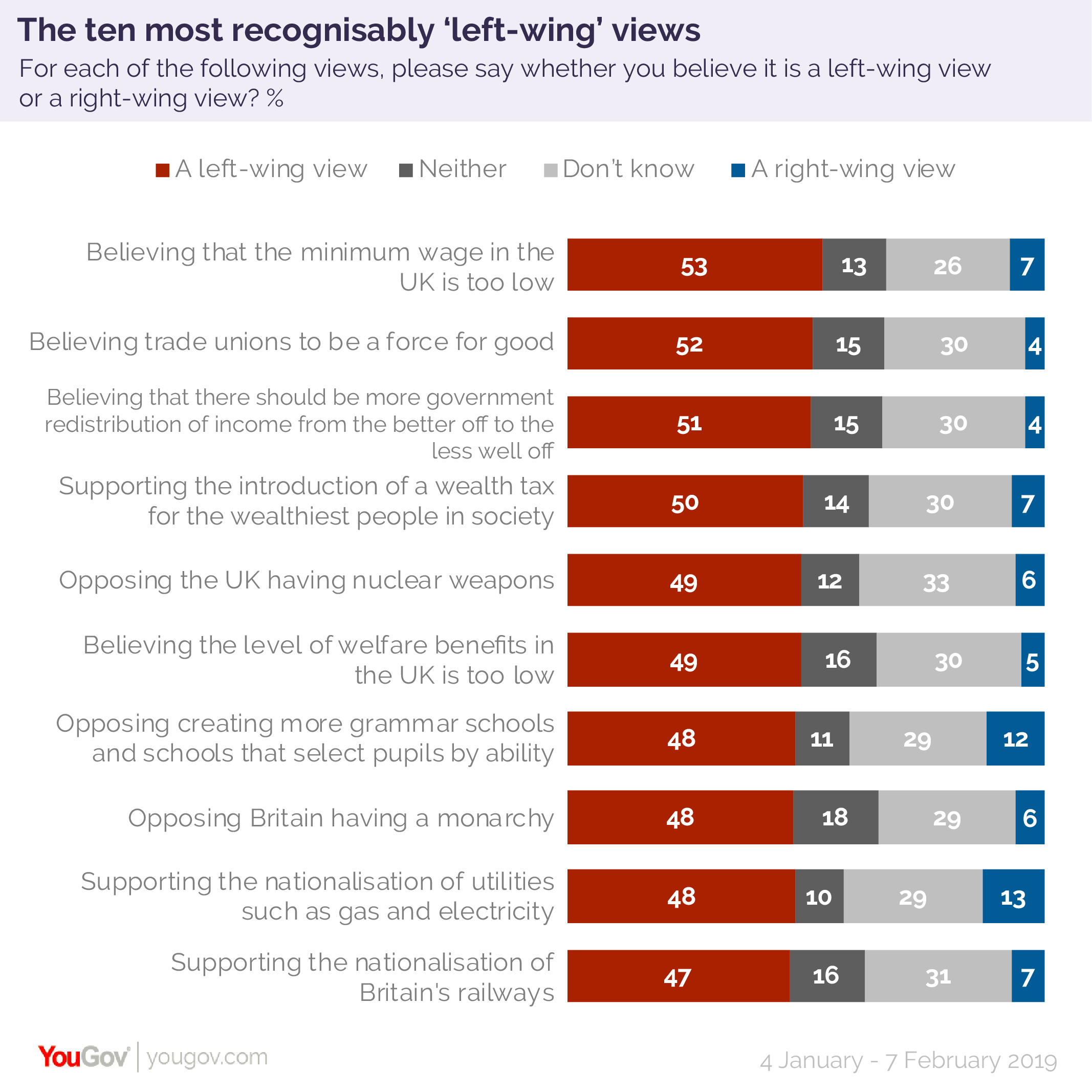
Left-wing politics encompasses political ideologies that support and seek to achieve social equality and egalitarianism, often standing in opposition to social hierarchy. The left wing is traditionally characterized by its emphasis on principles such as freedom, equality, fraternity, rights, progress, reform, and internationalism.
Current Political Landscape
In 2025, governments are facing the challenge of navigating an increasingly polarised and fragmented political landscape, forcing them to reassess their policy priorities. Recent global events, including pandemic disruptions, high inflation stemming from international conflicts, and mass displacement, have contributed to political instability and created fertile ground for various political movements.
Left-Wing Movements and Parties
Contemporary left-wing movements include various political groups such as anarchists, communists, socialists, democratic socialists, social democrats, left-libertarians, progressives, and social liberals. Notable left-wing parties include the Labour party (UK), Green party (UK), Democratic party (US), and Socialist party (France).
Global Trends and Challenges
The past year has witnessed significant political shifts, with far-right gains and incumbent losses worldwide. Factors such as economic instability and global conflicts have contributed to political dissatisfaction and impacted traditional centrist parties. For left-wing parties, ideology carries intrinsic value beyond electoral success. Their role often involves voicing concerns of marginalized groups and putting their demands on the political agenda, even when chances of governing are relatively small.
Looking Forward
Current electoral patterns indicate a global desire for new directions in governance, though the outcomes have not been uniform across different regions. It’s important to note that political positions are rarely absolute – most parties and individuals incorporate elements from across the spectrum. This flexibility allows for more nuanced policy approaches and helps avoid oversimplified political outlooks.