

The Political Journey of Theresa May
Introduction
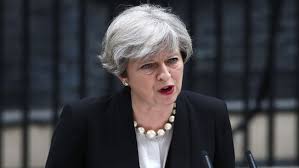
Theresa May, the former Prime Minister of the United Kingdom, holds a significant place in contemporary British political history. As the leader of the Conservative Party and the second woman to hold the office of Prime Minister, her policies and decisions during her tenure have had far-reaching effects on both the UK and its global relationships. Understanding her political journey is crucial, especially in the context of ongoing discussions about leadership and governance in Britain.
Early Life and Political Ascendancy
Born on October 1, 1956, in Eastbourne, Sussex, Theresa May’s early life was heavily influenced by her upbringing in a vicarage. She attended the University of Oxford, where she studied Geography before entering the world of politics. Elected as the Member of Parliament for Maidenhead in 1997, May quickly climbed the ranks within the Conservative Party. By 2010, she was appointed as Home Secretary, a position she held until 2016. Her tenure was marked by significant policy decisions, including a focus on immigration reform and national security.
Prime Ministership
In July 2016, following the resignation of David Cameron in the wake of Brexit, May became Prime Minister. Her leadership focused heavily on the negotiation of the UK’s exit from the European Union. May’s government faced an uphill battle in the face of internal party disagreements and external pressures from both the EU and the British public. In 2017, her decision to call a snap general election backfired, leading to a hung parliament and diminishing her majority in the House of Commons.
Despite her efforts to secure a Brexit deal, May’s premiership was marred by repeated parliamentary defeats over her withdrawal agreement. Ultimately, facing substantial opposition within her party and the country, she announced her resignation in May 2019.
Legacy and Current Role
Since stepping down, Theresa May has continued to engage actively in political discourse. Notably, she has spoken on various global platforms regarding issues such as climate change, human rights, and the importance of unity in national and international politics. Her insights continue to shape discussions on what leadership should embody in times of division.
Conclusion
Theresa May’s political journey showcases the complexities and challenges of modern governance. As the UK continues to navigate post-Brexit realities and varying political opinions, May’s experience offers valuable lessons in resilience and the importance of thoughtful dialogue. Her role in British politics may have concluded, but her influence remains a topic of discussion among political analysts and historians, who continue to assess the implications of her leadership and the decisions made during one of UK’s most tumultuous periods.