

The Trump Government Shutdown: Implications and Effects
Introduction
The topic of government shutdowns in the United States has gained renewed relevance, especially in light of former President Donald Trump’s tenure. A government shutdown occurs when Congress fails to pass sufficient funding for federal government operations, leading to a partial or total closure of various federal offices and services. The significance of this issue underscores the crucial link between government policies, public services, and economic stability.
The Events Leading to the Shutdown
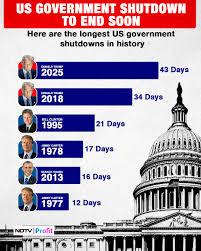
The Trump administration experienced an unprecedented government shutdown from December 2018 to January 2019, which lasted for 35 days. The deadlock was primarily due to disagreements between Trump and congressional Democrats over funding for a border wall between the United States and Mexico. Trump insisted on $5.7 billion for the wall, while Democrats opposed the funding, arguing that it was an ineffective solution to border security. As the impasse persisted, numerous federal employees were furloughed, and many others were forced to work without pay.
Impact on Federal Services and Employees
The shutdown had immediate and wide-ranging effects on federal services. Non-essential government operations, including the processing of passport applications and federal grants, came to a halt. The closure of national parks and monuments led to resource management challenges and increased public safety risks. Meanwhile, approximately 800,000 federal workers were directly affected, experiencing deferred paychecks that stressed their financial stability. This situation garnered significant media attention, further highlighting the consequences of political disagreements on everyday citizens.
Economic Implications
From an economic standpoint, the shutdown accounted for a projected loss of $11 billion, according to the Congressional Budget Office. This figure includes lost productivity and the negative ripple effects on a myriad of sectors reliant on federal operations. Furthermore, the uncertainty created by the shutdown sparked concerns among investors, potentially affecting stock market stability. Financial institutions and analysts expressed worry that prolonged shutdowns could lead to a downturn in consumer confidence and spending.
Conclusion
As the political landscape continues to evolve, the implications of the Trump government shutdown remain relevant in discussions about future budgetary negotiations and the readiness of the federal government to operate seamlessly. Experts predict that understanding the lessons from previous shutdowns will be crucial for lawmakers in preventing future occurrences. The Trump government’s shutdown not only highlighted the intricate and often contentious nature of federal funding but also the significant impact such political standoffs can have on citizens’ lives and the economy as a whole. For readers, staying informed about government proceedings and their potential effects can foster more engaged civic participation and awareness of how policy decisions directly shape societal conditions.