

The Fascinating Connection Between Solar Storms and Aurora Borealis
Understanding Solar Storms
Solar storms, also known as solar flares or coronal mass ejections (CMEs), are powerful bursts of radiation and solar material from the sun’s surface. These events can have significant impacts on Earth, especially on technology and the atmosphere.
The Aurora Borealis Phenomenon
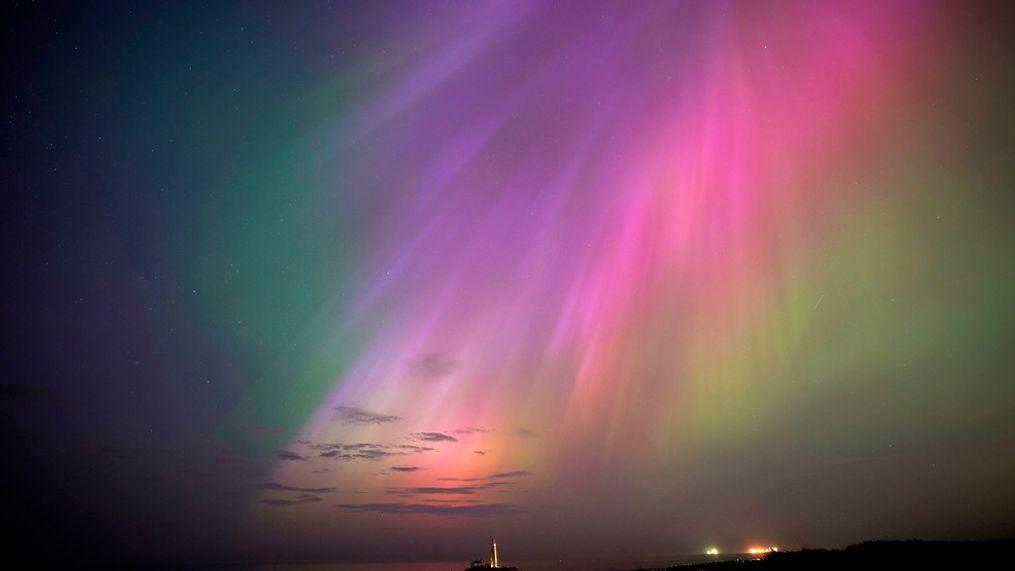
The aurora borealis, commonly known as the northern lights, is a natural light display predominantly seen in high-latitude regions around the Arctic. This breathtaking spectacle occurs when charged particles from the sun collide with the Earth’s atmosphere, generating vibrant colours that dance across the night sky. The colours, ranging from greens to reds and purples, are caused by the type of gas involved in the reactions: oxygen emits green and red hues, while nitrogen produces blue and purple tints.
Recent Solar Storm Events
In recent weeks, several solar storms have been reported by NASA and other meteorological agencies. These events have resulted in heightened activity of the aurora borealis, with sightings reported as far south as the UK and parts of the northern United States due to a geomagnetic storm classified as G4. Such storms occur when the solar wind, intensified by coronal holes in the sun’s atmosphere, hits the Earth’s magnetic field, resulting in spectacular auroras.
Impact on Technology and Daily Life
While the aurora borealis is a stunning natural phenomenon, solar storms can also pose risks to satellite operations, GPS systems, and even power grids. Enhanced solar activity can lead to disruptions in communication and navigation systems, and solar storm predictions are crucial for many sectors, including aviation and telecommunications. Experts recommend that individuals stay informed about solar activity, especially during periods of intense solar storms.
Conclusion
Solar storms not only contribute to the natural beauty of our planet through the dazzling aurora borealis but also serve as reminders of the dynamic relationship between the Earth and the sun. Continued research into solar activity is essential for understanding its impacts on both our environment and technology. As solar cycles continue, we can anticipate more stunning displays of the aurora borealis, reminding us of the wonders of the universe.