

Celebrating International Men’s Day: Importance and Impact
Introduction
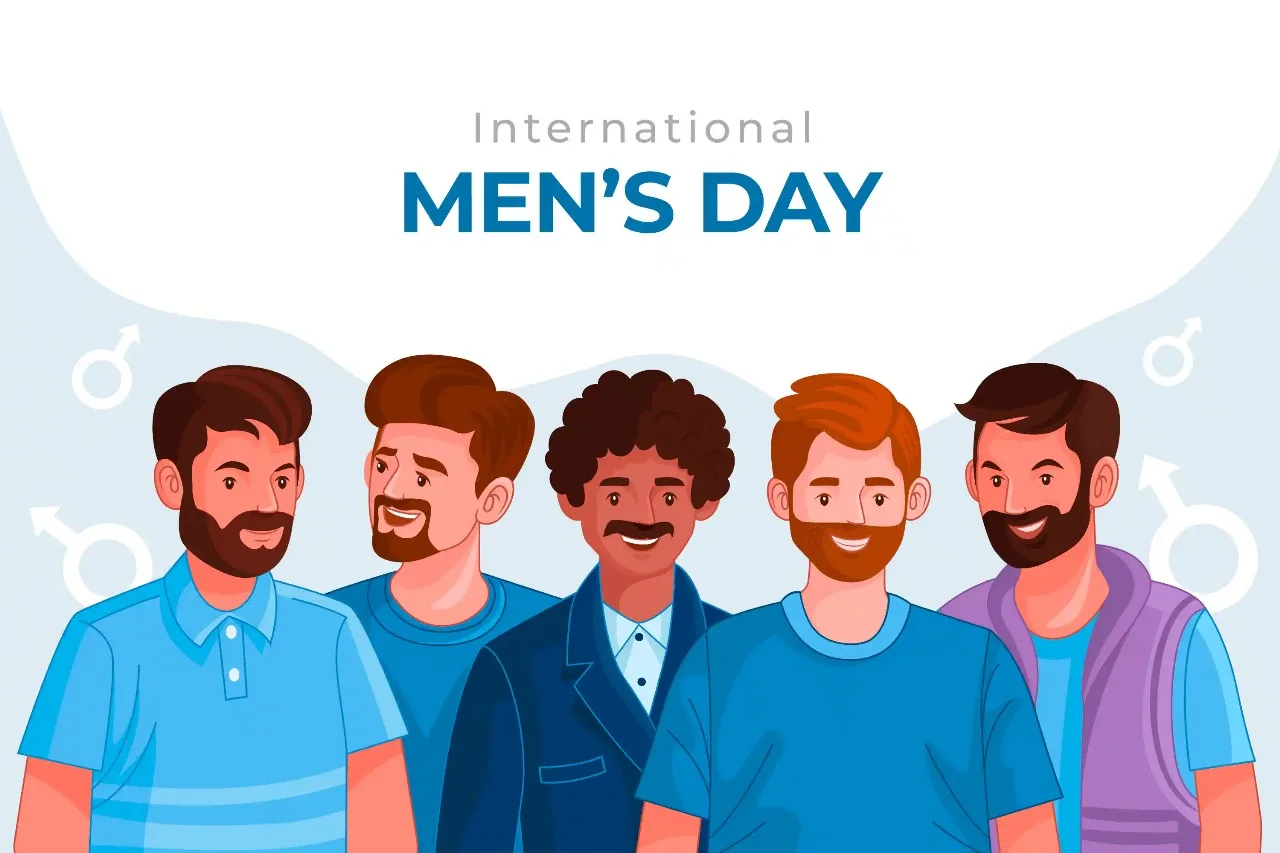
International Men’s Day (IMD), celebrated on November 19, is an annual event aimed at highlighting men’s health issues, promoting gender equality, and celebrating the positive contributions of men to society. While often overshadowed by International Women’s Day, IMD is significant in addressing men’s mental and physical health concerns, showcasing positive male role models, and encouraging men to lead by example in promoting a culture of respect and inclusivity.
Significance of International Men’s Day
The observance of International Men’s Day began in 1992 but gained formal recognition in numerous countries over the last two decades. The day provides an important platform to discuss men’s health issues, including higher rates of suicide and lower life expectancy compared to women. According to the Office for National Statistics, men in the UK have a life expectancy of 79 years, while women live an average of 83 years. This disparity poses critical questions regarding men’s health services and support systems.
Additionally, IMD seeks to address themes such as mental health, violence against men, and the need for better representation of men in discussions surrounding family and community roles. Events often feature workshops, seminars, and initiatives directed towards redefining masculinity and emphasizing the importance of emotional well-being.
Events and Global Participation
International Men’s Day is celebrated in over 70 countries, including the UK, Australia, Canada, and India, with various activities designed to encourage dialogue and provide support. Local organisations frequently organise community events that aim to foster understanding about the challenges that men face, offering tools to help men navigate their emotional and physical health challenges.
This year’s theme, established by the International Men’s Day organisation, focuses on “Celebrating Men and Boys” to promote positive interactions within families and communities. Various ambassadors and celebrities often join the cause to raise awareness and share personal stories that resonate with the issues men face globally.
Conclusion
As International Men’s Day approaches, it serves as a reminder of the importance of acknowledging men’s health and the role they play in our communities. The ongoing dialogue encouraged by this observance can pave the way for proactive measures to improve health outcomes and promote healthier societal norms. By enlightening discussions around masculinity and challenging stereotypes, International Men’s Day offers an invaluable opportunity for men to be seen as part of the solution in the quest for equality and wellbeing for all.