

The Importance of Gen Z Years in Shaping Today’s World
Introduction
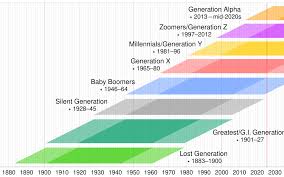
Generation Z, commonly referred to as Gen Z, consists of individuals born approximately between 1997 and 2012. This generation is unique, characterised by its upbringing in a world heavily influenced by technology and social media. Understanding the Gen Z years is crucial as this cohort is gradually entering the workforce, shaping consumer habits, and influencing cultural trends that will have lasting impacts on society.
Main Characteristics of Gen Z
Gen Z is known for its digital nativity, having grown up with smartphones and social media platforms that facilitate instant connectivity. According to a 2021 Pew Research Study, nearly 95% of Gen Z has access to a smartphone, making them the most mobile-centric generation yet. This access to technology has greatly influenced Gen Z’s values and behaviours, including their approach to learning, communication, and social issues.
Educational Trends
In terms of education, Gen Z tends to favour experiential learning and practical skills over traditional learning formats. A report from Education Corner indicated that 70% of Gen Z students preferred hands-on learning experiences. This inclination led many educational institutions to adapt their curriculums, integrating technology and real-world applications to meet the needs of this population.
Workforce Dynamics
The influence of Gen Z is also evident in workplace dynamics. As they enter the job market, their expectations differ significantly from previous generations. According to a 2022 Gen Z Workforce Survey, 54% of Gen Z workers value flexibility in their jobs, desiring a work-life balance that promotes mental health and overall well-being. This preference has prompted many companies to reconsider their operational structures and employee offerings.
Social and Cultural Impact
Gen Z’s social consciousness is another critical aspect worthy of attention. They tend to be more aware of social justice issues like climate change, racial equality, and mental health, often using social media as a platform to advocate for change. According to Forbes, over 70% of Gen Z believes it is essential for brands to take a stance on social issues, influencing how companies communicate and market their products.
Conclusion
As Gen Z continues to transition into adulthood and the workforce, their values and preferences will have significant implications for future generations. Understanding the nuances of the Gen Z years will aid businesses, educators, and policymakers in anticipating trends and crafting strategies that resonate with this unique cohort. In a rapidly evolving world, the influence of Gen Z is set to define the cultural and economic landscape for years to come, making it essential for stakeholders to pay close attention to their development.