

Exploring the Impact of Gen Z Years on Today’s Society
Introduction
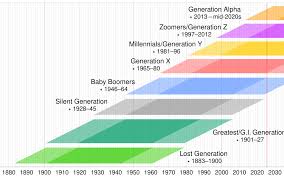
The years constituting Generation Z, typically defined as those born between 1997 and 2012, have seen significant cultural, social, and technological shifts that continue to shape the world today. As the first generation to grow up with the internet and smartphones, Gen Z has unique attributes that influence their behaviours, values, and interactions with society. Understanding these years is crucial for educators, employers, and policymakers to engage effectively with this diverse cohort.
Cultural and Social Context of Gen Z
Gen Z has grown up in an era marked by rapid technological advancement and social change. From the rise of social media platforms like TikTok and Instagram to global movements for social justice and climate action, their formative years have been rich with events that have moulded their worldview. Key events, such as the pandemic of 2020, have also played a pivotal role in shaping their perspectives on health, education, and the workplace.
Characteristics of Gen Z
Members of Gen Z are often described as digital natives, possessing a level of comfort with technology that prior generations might not share. This fluency in technology has implications for how they communicate, learn, and consume content. Moreover, Gen Z is known for valuing authenticity, inclusivity, and mental health awareness. Many members actively seek brands and companies that reflect these values, influencing marketing strategies across various sectors.
Challenges Faced by Gen Z
Despite their adaptability, Gen Z faces distinct challenges. Rising mental health issues, exacerbated by the pressures of social media, are a significant concern. According to the Mental Health Foundation, 27% of Gen Z reported feeling overly stressed most of the time, with anxiety and depression rates also rising among this demographic. Additionally, these young individuals are entering a workforce that, while increasingly digital, is also marked by uncertainty and economic volatility.
Conclusion
As we navigate through the influence of the Gen Z years, it is essential to recognise both the opportunities and challenges they present. This generation is poised to drive meaningful change, advocating for sustainability and social justice as they step into leadership roles. Understanding their unique context can help bridge generational gaps, fostering more inclusive and innovative environments in schools, workplaces, and communities. Looking ahead, how society addresses their concerns and leverages their strengths will be pivotal in shaping a sustainable future.