

Exploring the Eden Project: A Global Leader in Sustainability
Introduction: The Importance of the Eden Project
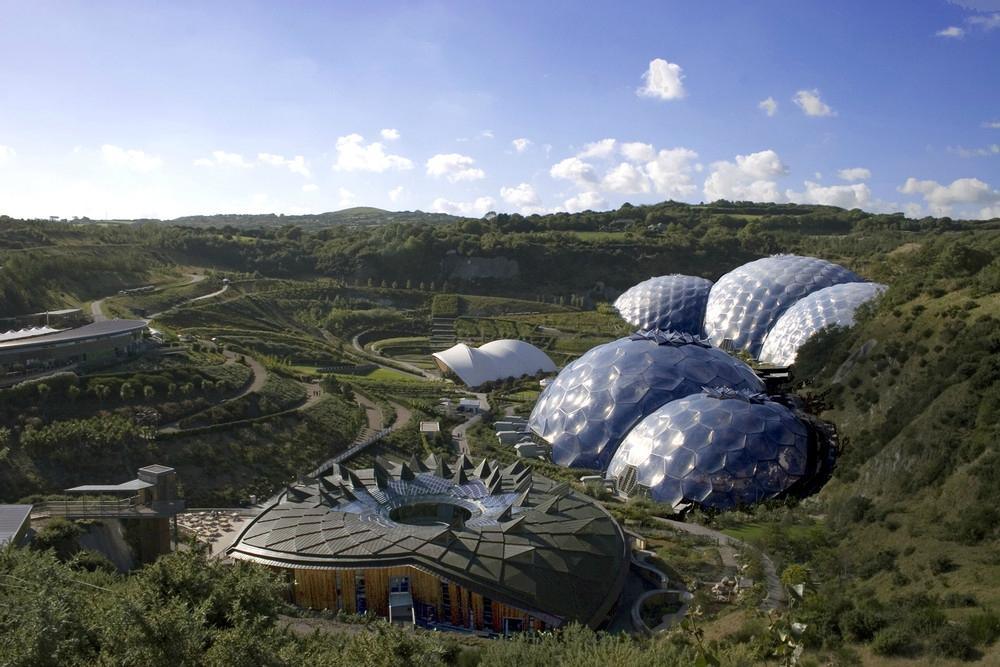
The Eden Project, located in Cornwall, England, is not just a visitor attraction; it is a global icon of sustainability and biodiversity. Opened in 2001, this unique environmental complex features large biomes that house thousands of plant species from diverse climates and environments. Its relevance today has increased as climate change becomes a pressing issue, making the Project a vital educational hub for conservation and sustainable practices.
Main Body: An Overview of the Eden Project
At the heart of the Eden Project is the Biomes, which include the Rainforest Biome, housing the world’s largest indoor rainforest, and the Mediterranean Biome, showcasing the importance of these ecosystems. The total area of the complex spans over 35 acres, making it one of the largest ecological projects in the world.
Recent Developments and Events
In recent months, the Eden Project has expanded its initiatives addressing climate change. A significant new addition is the Climate and Biodiversity Centre, set to open in early 2024. This centre aims to engage the public in discussions about environmental issues, showcasing innovative solutions and research.
Moreover, the Eden Project has launched educational programmes that reach out to local communities, schools, and businesses, focusing on sustainability practices that individuals can implement in their daily lives. The ongoing “Regeneration” campaign encourages visitors and local residents to help restore biodiversity in their surroundings.
Conclusion: Looking Ahead
The significance of the Eden Project transcends mere tourism; it serves as a critical model for future ecological projects worldwide. As climate issues worsen, the Eden Project’s commitment to education and sustainability becomes even more essential. The Centre’s opening in 2024 is anticipated to draw greater attention to urgent environmental matters and inspire action among visitors. Furthermore, its ongoing efforts to promote biodiversity through community engagement will likely result in long-lasting cultural and environmental benefits.
For readers interested in sustainable practices or environmental conservation, the Eden Project stands as a source of inspiration, demonstrating what can be achieved when communities unite for a common purpose.