

Understanding the Time Change in the UK
Introduction
The time change in the UK, particularly the practice of Daylight Saving Time (DST), is an annual event that affects millions of lives. Implemented to make better use of daylight during the longer days of summer, this clock change happens twice a year: in March and October. Understanding the implications of these changes is essential, not only for planning events but also for maintaining health and productivity.
History of Time Change in the UK
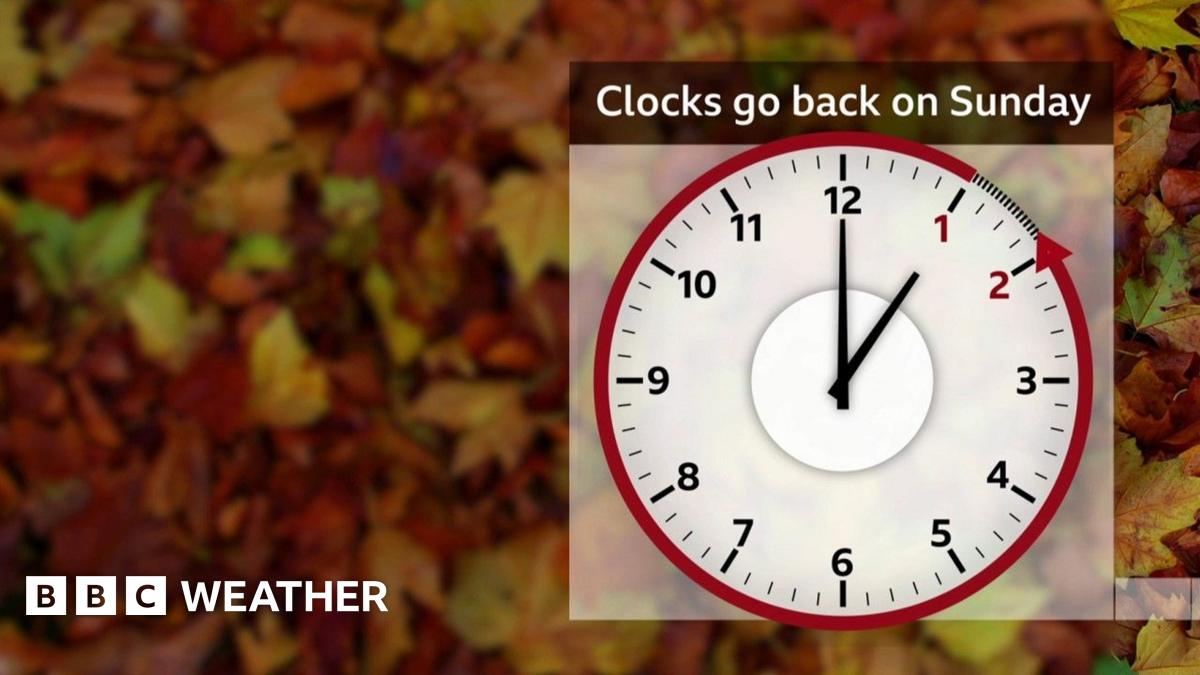
The UK first adopted Daylight Saving Time during World War I in 1916 as a means to conserve energy. The idea was that longer daylight hours in the evening would reduce the reliance on artificial lighting. After various shifts in policy following the war and during World War II, DST was established as a routine practice in the UK in 1972. Since then, the clocks have moved forward by one hour at 1 a.m. on the last Sunday in March and reverted back on the last Sunday in October.
Current Regulations
As of 2023, the UK continues to observe Daylight Saving Time. Clocks will move forward on March 26, 2023, and revert back on October 29, 2023. While some praise this practice for the extra evening sunlight, others argue that it disrupts sleep patterns and has a negative effect on health and wellbeing. A survey conducted in March 2022 revealed that around 70% of the UK population supports a permanent end to switching clocks.
The Impact of Time Change
The time change affects various sectors differently. For instance, the retail sector often benefits from increased sales during the summer months due to extended evening shopping times. However, sectors like healthcare may witness an uptick in accidents and health issues shortly after the clock change, as individuals adjust. There is mounting evidence that the transition into and out of DST can result in increased incidences of heart attacks and strokes. Furthermore, studies have shown a short-term increase in road accidents following the spring forward.
Conclusion
The time change in the UK is more than just a shift in clocks; it influences our daily routines, public health, and economic activity. As discussions continue about the relevance and efficiency of Daylight Saving Time, it’s crucial for UK citizens to remain informed about its implications. Future forecasts suggest ongoing debates in European Parliament regarding the abolition of the clock changes, which could lead to significant changes in how the UK handles time in years to come. For now, being well-prepared for these transitions can help individuals mitigate any negative effects associated with the time change.