

Understanding the Time Change in the UK
Introduction to Time Change in the UK
The biannual time change in the UK, commonly referred to as British Summer Time (BST) and Greenwich Mean Time (GMT), plays a pivotal role in daily life. It typically occurs on the last Sunday in March and the last Sunday in October, aiming to make better use of daylight during the longer days of summer. This practice is essential for various sectors including agriculture, retail, and energy consumption, and affects millions of people across the country.
Details of the Time Change Procedure
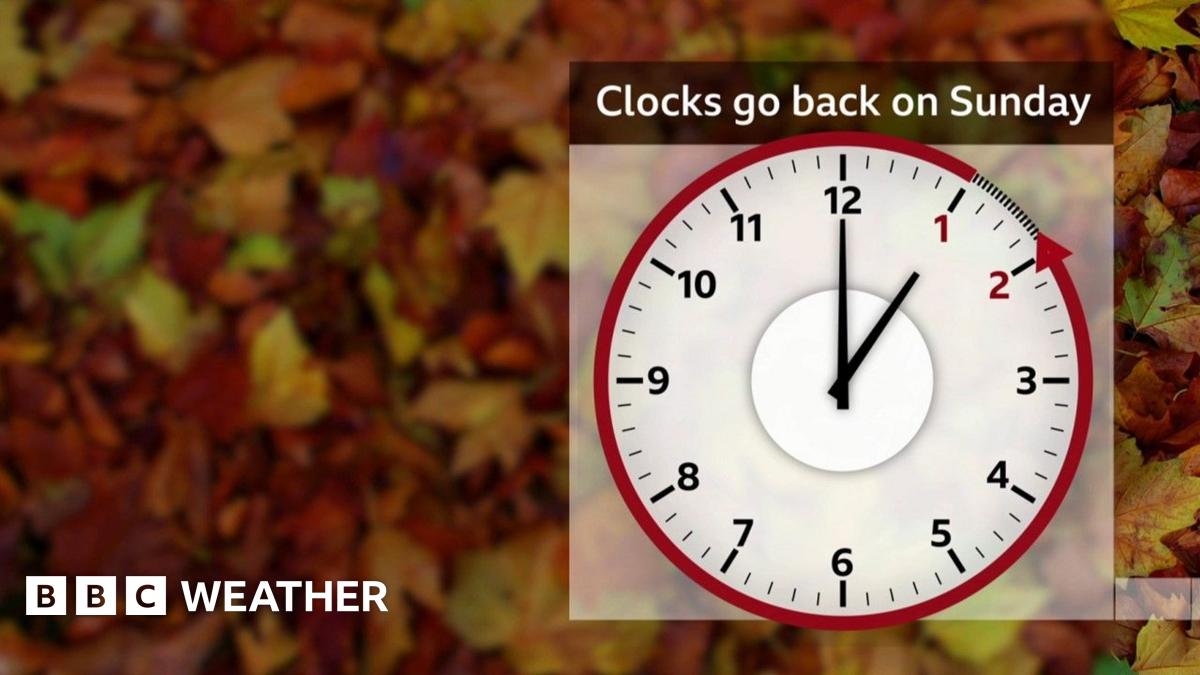
The time changes in the UK are governed by the European Union’s directive on daylight saving time, although the UK has retained its practice post-Brexit. In March 2023, for example, the clocks moved forward one hour at 1:00 AM (becoming 2:00 AM) to mark the beginning of BST. Similarly, in October 2023, the clocks will revert back one hour to GMT. This adjustment signifies not just a change in time, but has broader implications for societal routines, including school timings, work hours, and public transport schedules.
Impacts of Time Change
There are various impacts associated with the time change in the UK. For instance, the shift can lead to alterations in sleep patterns as individuals adjust to the new timings, potentially resulting in short-term health effects such as sleep deprivation. Moreover, businesses often report an increase in productivity during BST as extended daylight lends itself to longer operational hours. Conversely, there’s a significant push from some groups advocating for a permanent shift to BST to eliminate the biannual adjustment altogether, especially considering the adverse effects of the clock change on mental health.
Conclusion: Significance for Readers
The time change in the UK is not just a matter of adjusting clocks; it significantly affects various aspects of daily life and the economy. As discussions on potentially abolishing the time change continue, it is vital for individuals and businesses to remain informed about the implications of these changes. In the context of increasing focus on energy conservation and mental well-being, the future of time change practices may evolve, potentially leading to a permanent adoption of British Summer Time. Keeping abreast of these developments will help individuals and businesses adapt more smoothly to any changes on the horizon.