

Exploring the Wonders of Morecambe Bay
Introduction
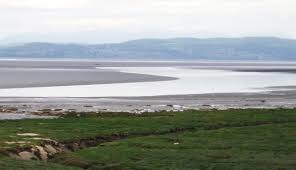
Morecambe Bay, located on the North West coast of England, is one of the UK’s most picturesque coastal areas. Spanning approximately 310 square kilometres, it is significant not only for its natural beauty but also for its rich biodiversity and cultural heritage. As a crucial habitat for wildlife, Morecambe Bay plays a vital role in ecological preservation and supports a range of recreational activities for both locals and tourists.
Natural Beauty and Biodiversity
Morecambe Bay is renowned for its stunning tidal flats and estuaries, providing a unique ecosystem that supports extensive wildlife. The area is home to several species, including the rare redshank and the common eider duck. Furthermore, it is an important site for migrating birds and has been declared a Special Protection Area (SPA) due to its international significance for bird species. The Bay’s mudflats are not just essential for avian life; they also support diverse marine life, contributing to its ecological importance.
Cultural and Historical Significance
The rich history of Morecambe Bay stretches back thousands of years, with archaeological finds indicating human activity in the region since the Mesolithic period. The coastal town of Morecambe, which overlooks the bay, has evolved into a popular tourist destination, known for its annual festivals and cultural events. The iconic statue of Eric Morecambe, located on the promenade, pays tribute to the comedian who was born in the town and reflects the area’s cultural legacy.
Recreation and Tourism
Today, Morecambe Bay attracts visitors with its scenic walking routes, cycling paths, and opportunities for water sports. The Bay is a popular spot for sailing, birdwatching, and photography, making it a playground for nature enthusiasts. Recent infrastructure improvements and increased investment in local tourism services have enhanced the area’s appeal, ensuring it remains an attractive destination.
Conclusion
Morecambe Bay is a treasure trove of natural wonders and cultural richness, drawing both locals and visitors alike. With ongoing conservation efforts, the area hopes to maintain its unique environment while promoting responsible tourism. The future looks bright for Morecambe Bay, as awareness of its ecological and cultural significance continues to grow, encouraging sustainable practices that will allow both wildlife and communities to thrive alongside this stunning coastal gem.