

Understanding MIA Airport: A Major International Hub
Introduction
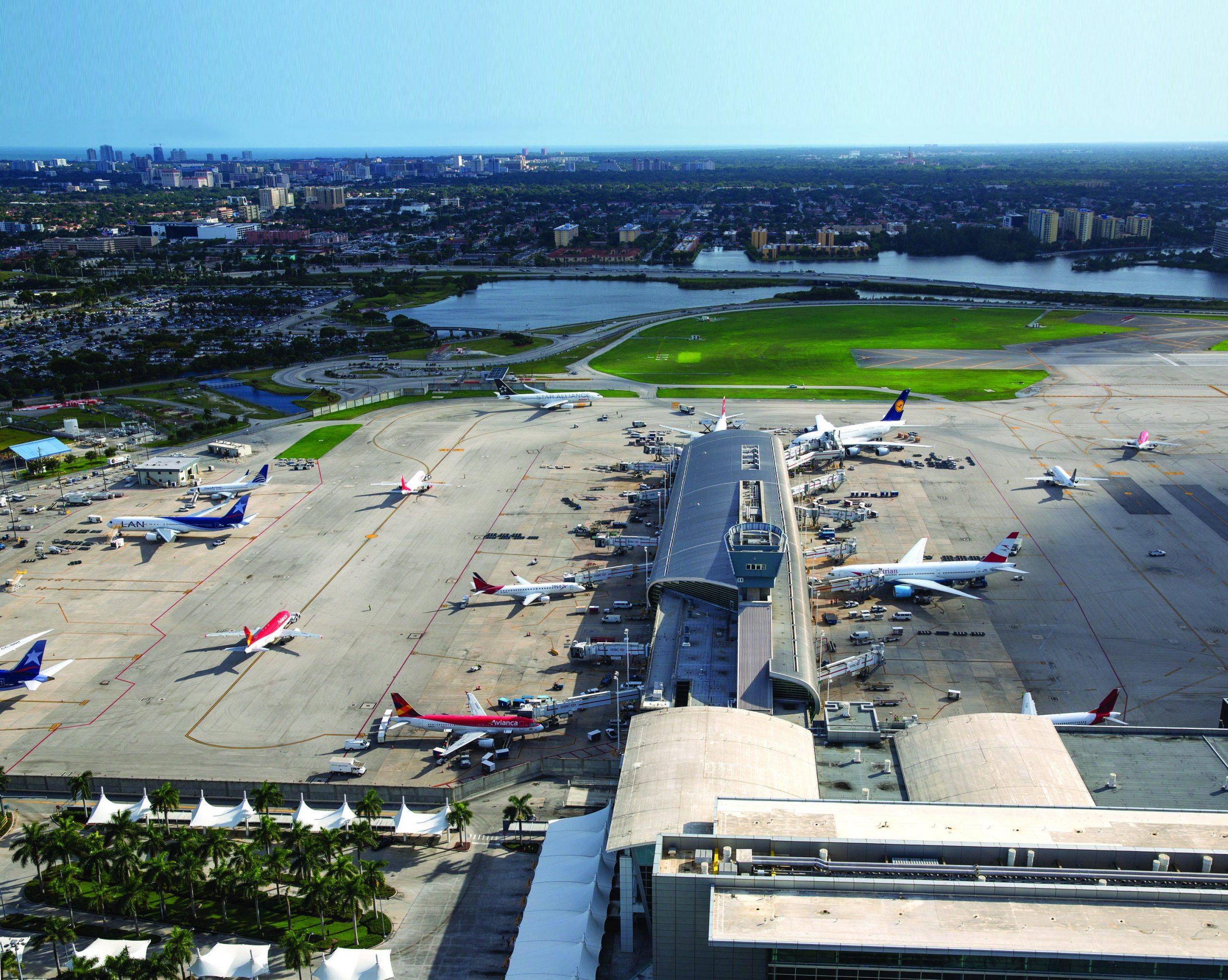
Miami International Airport (MIA) has established itself as one of the busiest and most significant airports in the United States, serving as a critical gateway to Latin America, Europe, and beyond. Its importance cannot be overstated, as it facilitates international travel and commerce, significantly contributing to the local economy and tourism industry. As we move forward, understanding MIA’s developments and implications will be crucial for travelers and stakeholders alike.
Overview and Operations
MIA’s strategic location offers airlines convenient access to a market of over 20 million people within a two-hour flight range. In 2022, MIA handled more than 45 million passengers and over 2 million tonnes of cargo, ranking it among the top airports globally for passenger traffic and freight operations. Currently, it houses over 100 gates and features more than 90 airlines, with direct flights to over 150 domestic and 50 international destinations.
Recent Developments
In 2023, MIA announced a $5 billion expansion plan aimed at enhancing facilities and improving passenger experience. This expansion includes updating the existing terminal, adding more security checkpoints, and enhancing the overall flow of passengers through the airport. Moreover, MIA is investing in sustainable practices, including energy-efficient systems and waste reduction initiatives aligned with global environmental standards.
Boosting Local Economy
The airport contributes significantly to Florida’s economy, facilitating over 300,000 jobs either directly or indirectly. Travel and tourism, buoyed by MIA’s operations, contribute billions to the local economy each year. In recent years, the airport has also seen increased cargo capacity, linking Miami businesses to global supply chains, thus further bolstering economic growth.
Future Outlook
Looking ahead, the future of MIA Airport appears robust. With the anticipated growth of international travel post-pandemic and ongoing infrastructure improvements, MIA is poised to maintain its relevance as a premier air travel hub. Its role as a connector to emerging markets in Latin America and the Caribbean will likely strengthen, positioning MIA as a critical player in global air transport.
Conclusion
Miami International Airport stands as a testament to the evolution of air travel and its significance in connecting cultures and economies. As MIA continues to grow and adapt to changing travel demands and environmental considerations, it remains an essential part of not only Miami’s infrastructure but also an increasingly interconnected world. For travellers and the local communities, keeping an eye on MIA’s developments is vital as it shapes the future of air travel.