

Discovering the Shetland Islands: Culture and Nature Combined
Introduction to the Shetland Islands
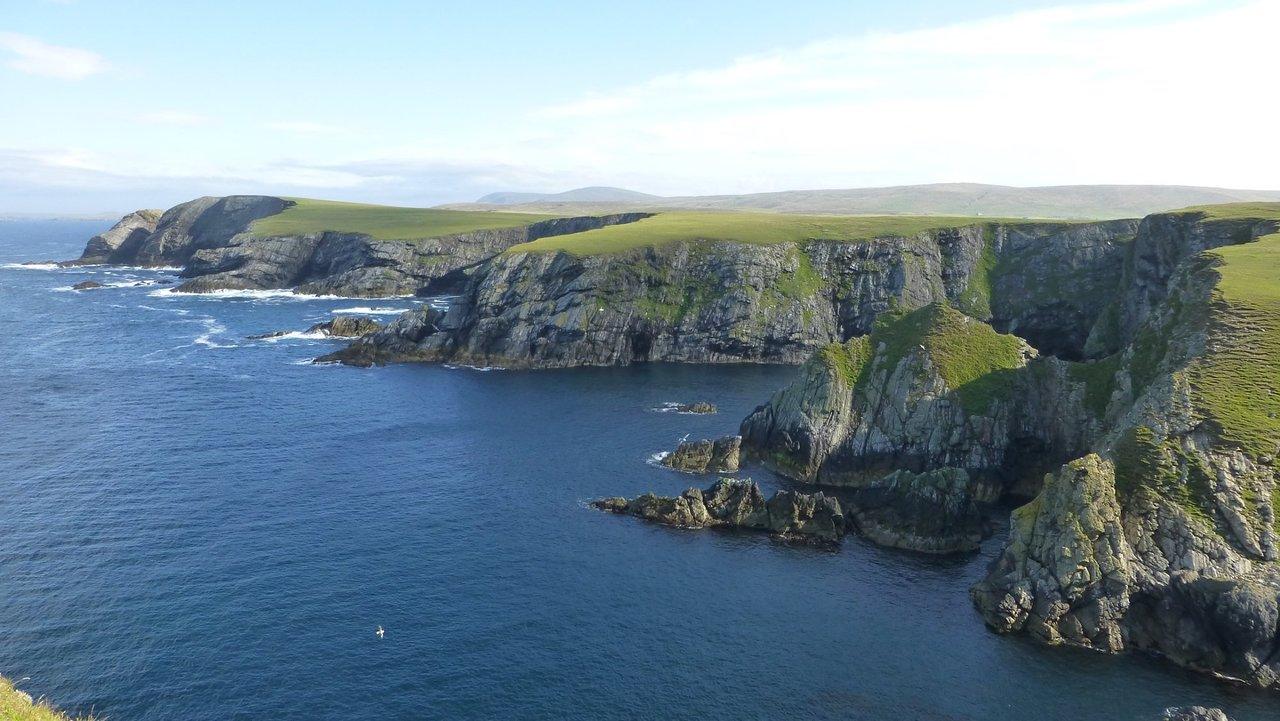
The Shetland Islands, located to the northeast of mainland Scotland, are a unique archipelago that offers a blend of breathtaking landscapes, fascinating history, and vibrant culture. Comprising over 100 islands, 15 of which are inhabited, the Shetlands are renowned for their dramatic cliffs, rich wildlife, and warm-hearted communities. As tourism continues to grow, the islands are becoming an increasingly popular destination for those seeking adventure and history.
Historical Significance and Heritage
The Shetland Islands have a rich tapestry of history dating back thousands of years. Archaeological sites, such as the ancient broch of Mousa and the Jarlshof settlement, showcase a blend of Norse and Scottish influences that have shaped the islands’ identity. The Vikings settled in the Shetlands over a millennium ago, and their legacy remains visible through place names and cultural traditions. Every year, the Up Helly Aa fire festival celebrates Viking heritage with spectacular torch-lit processions and the burning of a Viking longship.
Cultural Highlights
Beyond its historical landmarks, the islands boast vibrant cultural life. Local craftsmanship, particularly in textiles, is well known, with the Shetland wool spinning and knitting tradition attracting enthusiasts globally. Festivals such as Shetland Folk Festival and the Shetland Arts Festival provide an opportunity for both local and international artists to showcase their talent. Additionally, the islands are famous for their unique dialect, Shetlandic, which reflects the diverse influences of the region.
Natural Wonders
The natural beauty of the Shetland Islands is truly astonishing. With rugged coastlines, stunning seascapes, and an abundance of wildlife, it is a haven for nature lovers. The islands host numerous seabird colonies, including puffins, guillemots, and kittiwakes, making it a hotspot for birdwatchers. Moreover, the unique flora and fauna of the islands provide a stunning backdrop for hiking and outdoor adventure. The Fair Isle, situated halfway between Shetland and Orkney, is also a celebrated wildlife sanctuary.
Conclusion and Future Outlook
As visitors are increasingly drawn to the Shetland Islands for their rich culture, history, and natural beauty, the local communities are finding ways to balance tourism with preserving their unique identity. Looking forward, sustainable tourism will be essential in maintaining the delicate ecosystems and cultural heritage of the islands. With enhanced connectivity and growing interest from international tourists, the Shetland Islands are set to remain a remarkable destination for those seeking adventure and cultural enrichment.