

The Missing Person Case of Charlene Downes
Introduction
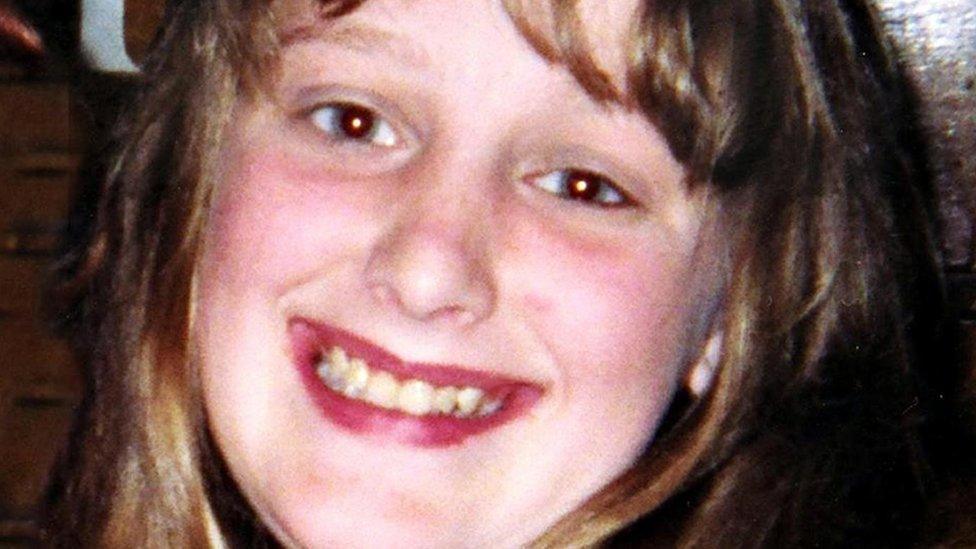
The case of Charlene Downes, a 14-year-old girl who went missing in 2003 in Blackpool, remains one of the UK’s most notable missing person investigations. The significance of her case has not only highlighted the challenges faced by law enforcement in such scenarios but has also raised awareness about the importance of community involvement in finding missing individuals.
Background of the Case
Charlene Downes disappeared on November 1, 2003, after leaving her home to meet friends. Her last known movements took her to the town centre of Blackpool, a place notorious for its nightlife and entertainment. Despite extensive searches by the police and local community, Charlene’s whereabouts remained unknown, leading to grave concerns for her safety.
Investigative Efforts
The investigation into Charlene’s disappearance was marked by numerous challenges. Initial inquiries involved witness statements, CCTV footage analysis, and extensive door-to-door enquiries. Several individuals came forward with information, but no leads proved fruitful. A significant element of the case was the testimonies from local residents, which spurred on searches in potential locations where Charlene could have been last seen.
Public Response and Media Coverage
Charlene’s case received widespread media coverage, which played a pivotal role in keeping the case alive in public consciousness. The story resonated with many, leading to community-led initiatives, fundraisers, and vigils to support the search for Charlene. Her mother, supported by local communities and charities, advocated for increased awareness of missing children, emphasising the need for ongoing vigilance. This intense involvement has shown how community efforts can impact missing person cases.
Recent Developments
In recent years, there have been various appeals for information, and the case remains open. In 2022, police received new information that prompted renewed searches. Techniques such as forensic advancements and social media outreach have been utilised to gather fresh leads. Authorities encourage anyone with information, no matter how insignificant it may seem, to come forward to provide closure to Charlene’s family.
Conclusion
Charlene Downes’ case serves as a haunting reminder of the ongoing issues surrounding missing persons in the UK and the emotional toll it takes on families. The discussions surrounding her disappearance underscore the importance of community involvement, and the need for continued awareness and resources dedicated to finding missing individuals. For the local Blackpool community, the memory of Charlene continues to spark hope that one day answers may be found, bringing justice and closure to her family.