

Understanding Latvia Weather: A Seasonal Guide
Introduction
Latvia, located in Northern Europe, exhibits a diverse weather landscape that varies significantly throughout the year. Understanding the weather patterns in Latvia is crucial for both locals and tourists alike, as it influences outdoor activities, agricultural practices, and travel plans. With its distinct seasons, Latvia experiences everything from warm summers to cold winters, making it an intriguing destination for weather enthusiasts.
Seasonal Overview
Spring (March to May)
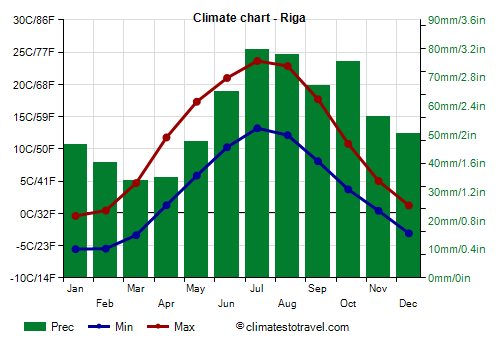
Spring in Latvia is characterised by a gradual warming of temperatures, with averages ranging from 1°C in March to approximately 15°C in May. As the snow melts, the landscapes come alive with blooming flowers and budding trees, making it a picturesque time to visit. However, visitors should be prepared for sudden rain showers and chilly winds, especially in early spring.
Summer (June to August)
Summer is the warmest season in Latvia, with average temperatures between 15°C and 25°C. The country enjoys long daylight hours, and temperatures can sometimes peak above 30°C, particularly in July. This season is perfect for outdoor activities, such as hiking, swimming in the Baltic Sea, and attending various festivals. However, occasional thunderstorms can occur, so it’s important to stay updated on forecasts.
Autumn (September to November)
Autumn brings cooler temperatures and a vibrant display of foliage, with averages from 15°C in September dropping to around 5°C by November. This season is marked by shorter days and a greater chance of rain. It is an excellent time for those interested in photography and experiencing Latvia’s natural beauty as the leaves change colours.
Winter (December to February)
Winter in Latvia is cold, with temperatures often dropping below 0°C. January is typically the coldest month, with averages around -5°C. Snow covers the country, transforming it into a winter wonderland, ideal for activities such as skiing and snowboarding. While the days are short, the beautiful snow-covered landscapes make for stunning scenery. Visitors are advised to dress warmly and prepare for icy conditions.
Conclusion
Understanding the weather in Latvia is vital for making travel plans and enjoying the country’s seasonal offerings. Each season presents its own unique characteristics, from vibrant spring landscapes to adventurous winters. As climate change continues to impact weather patterns globally, keeping an eye on local forecasts becomes increasingly important for residents and visitors alike. Whether you’re planning a trip or considering a move, knowing what to expect from Latvia’s weather can enhance your experience significantly.