

Natural History Museum Pokémon: Museums Use Pokémon to Teach Science
Introduction
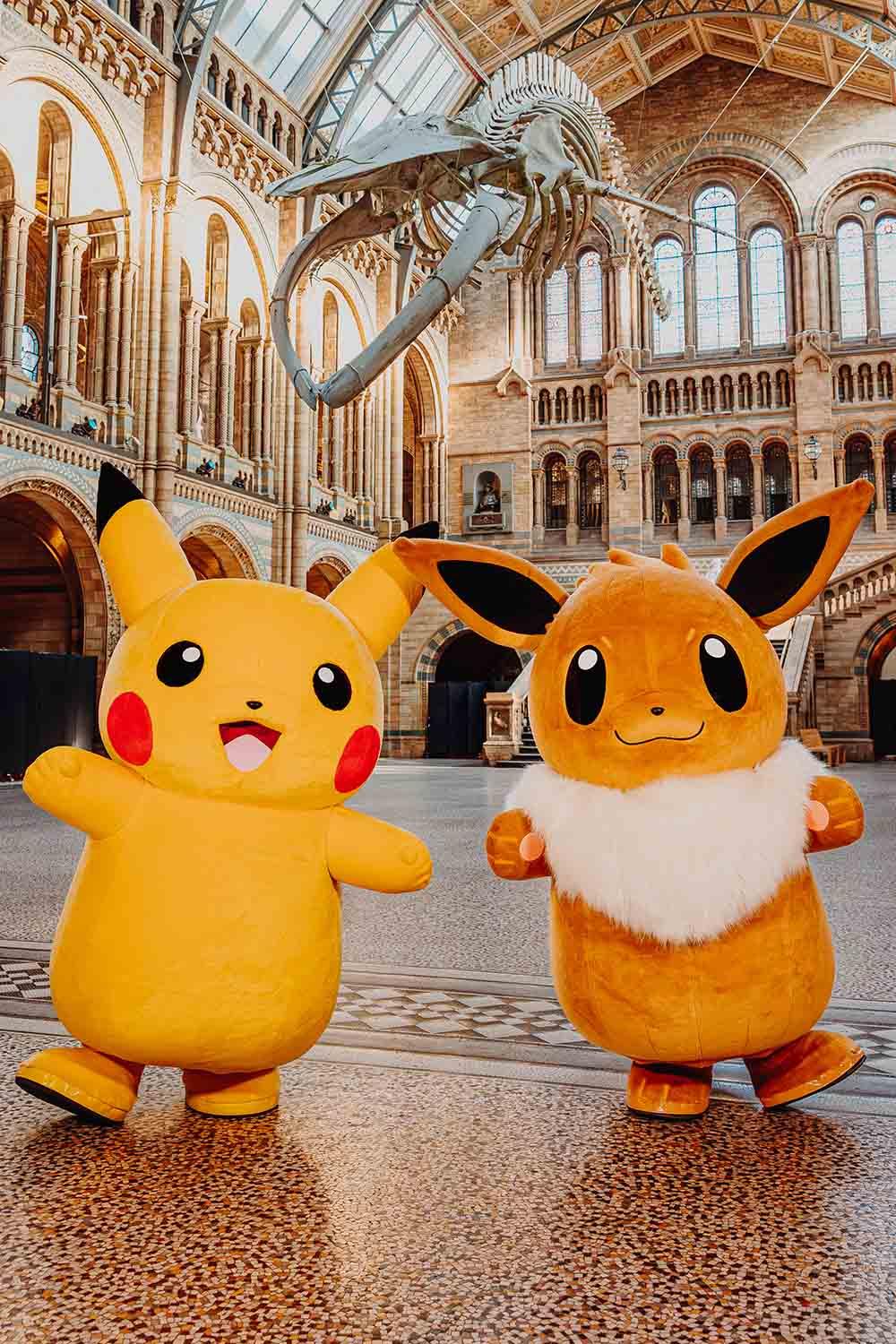
The intersection of popular culture and public science education has become increasingly important for museums seeking to reach broader audiences. The phrase “natural history museum Pokémon” captures a wider trend: museums using elements of the Pokémon franchise to introduce concepts such as biodiversity, evolution and palaeontology in accessible ways. With Pokémon originating in 1996 and remaining a global cultural phenomenon, museums see an opportunity to connect established scientific themes with a familiar, engaging brand.
Main body
Why museums turn to Pokémon
Natural history museums traditionally present collections and research on life on Earth, past and present. To attract families and younger visitors, curators and educators are experimenting with popular media tie-ins and interactive design. Pokémon creatures—many of which are inspired by real animals, fossils and ecological relationships—offer a bridge between fictional creatures and factual natural history. By referencing familiar characters, exhibitions can lower barriers to learning and spark curiosity about real species and scientific processes.
Forms of engagement
Museums employ a range of tools when integrating popular culture themes: interpretive panels that draw parallels between Pokémon and real animals, hands-on activities that teach taxonomy and adaptation, scavenger hunts and mobile apps that use augmented reality. These methods emphasise active learning and can increase time spent with exhibits. Staff report that themed programming often brings visitors who might not otherwise enter a natural history museum, creating opportunities for informal science education and family learning.
Considerations and best practice
Institutions balancing entertainment with accuracy emphasise clear signage that distinguishes fiction from science. Effective projects use Pokémon as an entry point while guiding visitors towards verified scientific information about species, fossils and ecosystems. Collaboration with rights holders and careful licensing are further practical considerations for museums wishing to adopt branded content.
Conclusion
As museums evolve to meet changing audience habits, the use of popular franchises such as Pokémon represents a pragmatic outreach strategy. While the creatures themselves are fictional, the conversations they provoke can lead to meaningful engagement with natural history topics. For readers, this trend suggests that familiar cultural touchstones may increasingly serve as gateways into scientific literacy and lifelong learning.