

A Deep Dive into the Ivy League
Introduction to the Ivy League
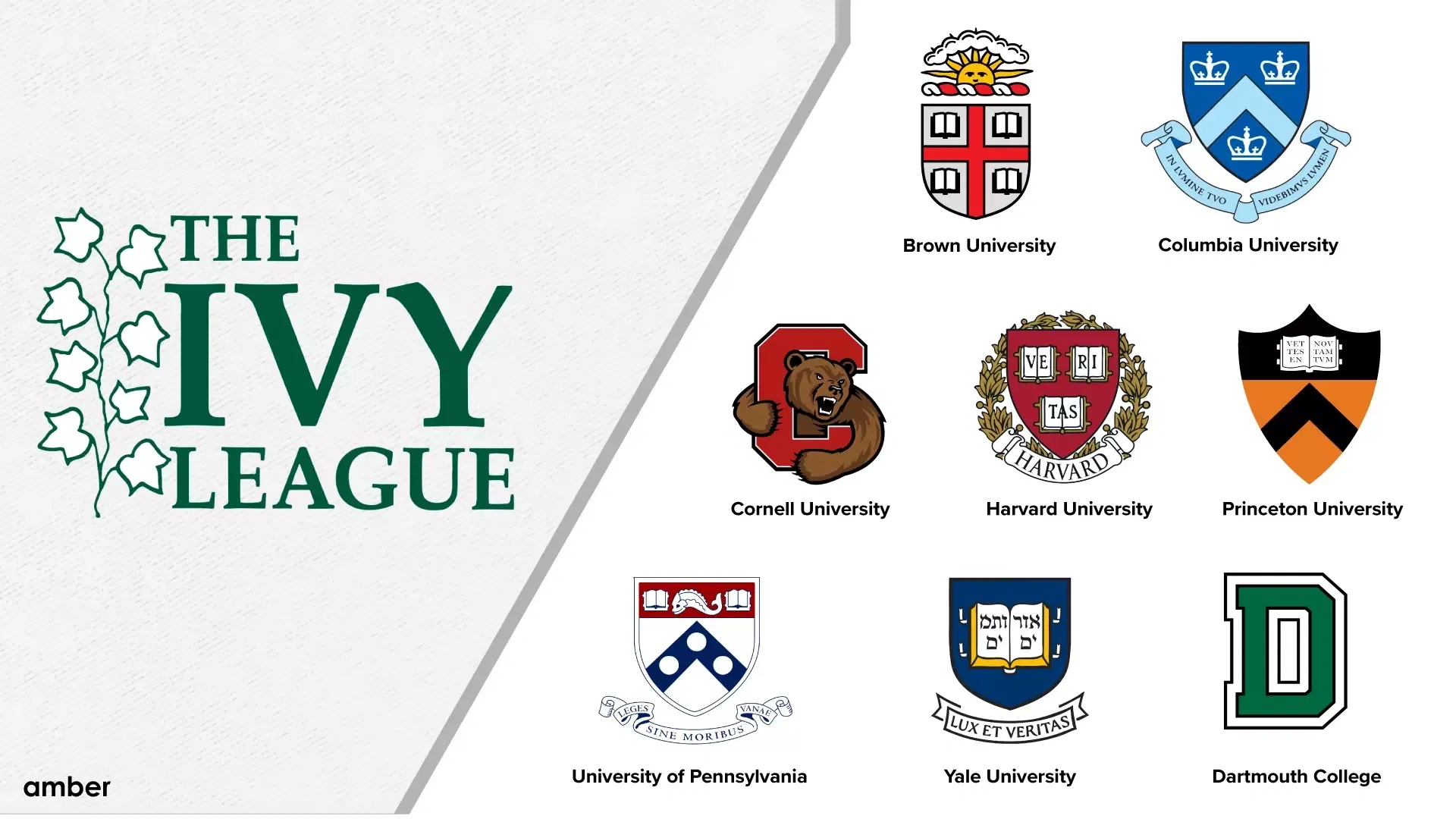
The Ivy League is a group of eight private colleges and universities in the northeastern United States, known for their high academic standards, significant history, and social prestige. Comprising Harvard, Yale, Princeton, Columbia, University of Pennsylvania, Dartmouth, Brown, and Cornell, these institutions have long been associated with academic excellence and elite networking opportunities. As college admissions become increasingly competitive, understanding the Ivy League’s role in higher education is more important than ever.
History and Formation of the Ivy League
The term ‘Ivy League’ originated from sports in the 1930s, initially to designate the athletic conference formed by these schools. However, the league’s reputation evolved from mere athletics to encompass academics, culture, and social privilege. Each institution established its uniqueness and commitment to fostering leaders, making the Ivy League synonymous with elite education.
Academic Programs and Reputation
All Ivy League schools rank among the top 15 universities in the United States, consistently boasting rigorous admissions processes, noteworthy faculty, and extensive alumni networks. They offer a wide range of scholarly programmes and interdisciplinary opportunities, which contribute to their high reputation. Graduates typically enter the workforce with substantial advantages due to the robust connections made during their time at these institutions.
Current Trends and Challenges
In recent years, the Ivy League has faced mounting scrutiny regarding issues like diversity, affordability, and accessibility. With the rising costs of tuition, there is an ongoing debate about the socioeconomic divide within these prestigious institutions. Many prospective students question whether a degree from an Ivy League school is worth the investment, especially given the increasing availability of quality education from more affordable institutions. The Ivy League schools are now striving to demonstrate their commitment to inclusivity and financial aid, aiming to attract a more diverse student population, thereby addressing these challenges.
Conclusion: The Importance of the Ivy League
Despite the challenges it faces, the Ivy League remains a cornerstone of American higher education. It continues to draw students from around the world who aspire to benefit from the unparalleled opportunities and networks it provides. As the educational landscape evolves and more alternatives arise, the Ivy League will need to adapt to maintain its prestige and relevance. The significance of these institutions extends beyond academic accolades; they shape future leaders and influence global industries. For students and parents considering higher education options, the Ivy League’s enduring allure is a testament to the value it still holds today.