

GCSE Languages Curriculum Changes: A Comprehensive Guide for Students and Teachers
Understanding the Importance of GCSE Language Reforms
The GCSE languages curriculum has undergone significant changes in recent years, reshaping how students across the United Kingdom learn modern foreign languages. These reforms aim to improve linguistic competency and better prepare students for an increasingly globalised world. As language learning remains a crucial skill for future employability and cultural understanding, these curriculum changes have far-reaching implications for students, teachers, and educational institutions alike.
Key Changes to the GCSE Languages Curriculum
The reformed GCSE language qualifications have introduced several notable modifications. The new specifications place greater emphasis on spontaneous language use and authentic communication skills. Speaking assessments now contribute 25% of the overall grade, with students required to demonstrate their ability to respond to unprepared questions and engage in unrehearsed conversations.
Writing and reading components have also been enhanced, with increased focus on translation skills both from and into the target language. Students must now translate passages that reflect real-world contexts, moving away from the formulaic approaches of previous curricula. The vocabulary requirements have been expanded, with learners expected to master a broader range of themes including current and future study and employment, as well as international and global dimensions.
Impact on Students and Educational Outcomes
These curriculum changes have generated mixed responses from the education sector. Supporters argue that the reforms create more rigorous qualifications that better reflect genuine language proficiency. The emphasis on spontaneous speaking and authentic texts prepares students more effectively for real-world language use and higher education.
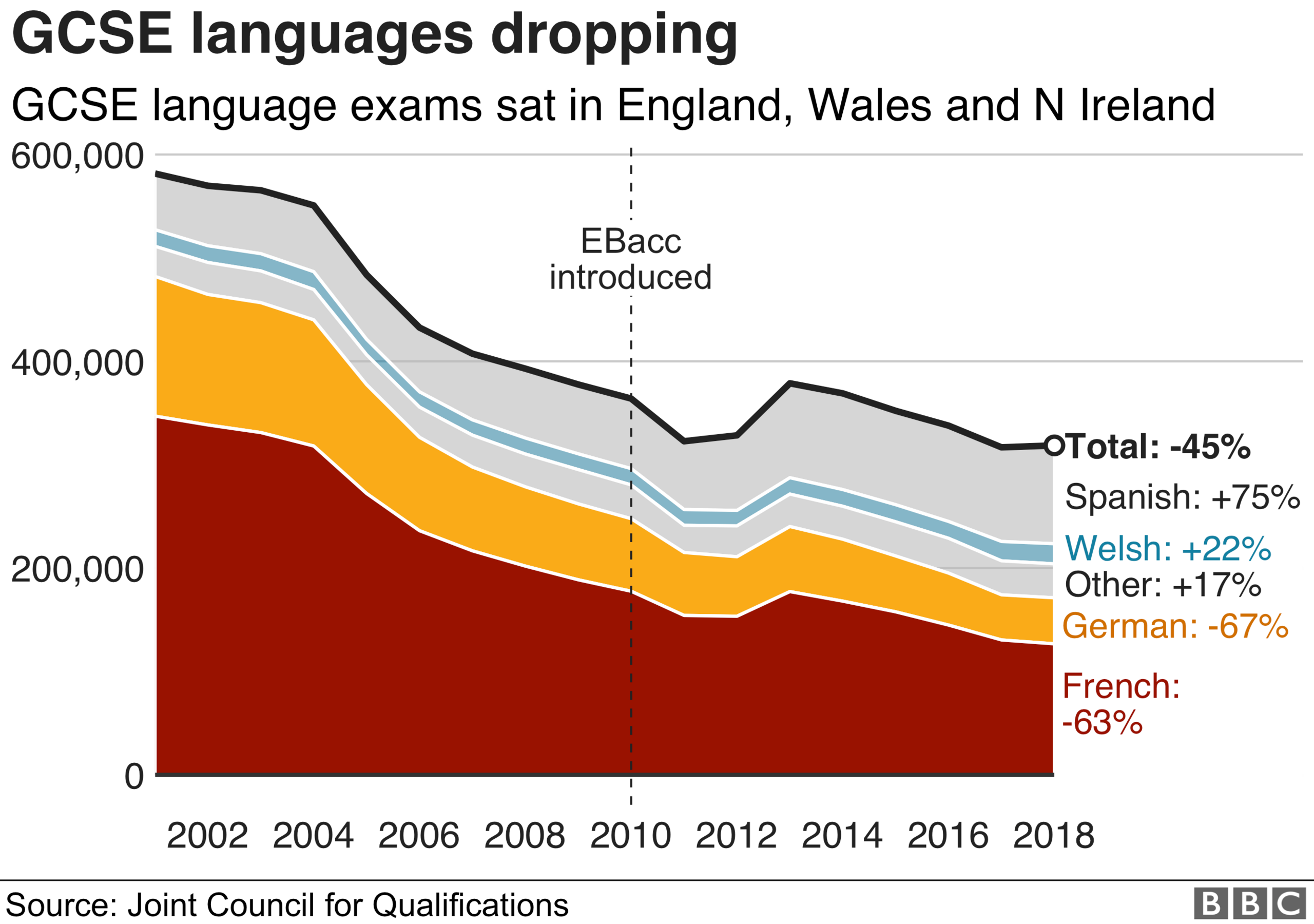
However, concerns have been raised about the increased difficulty level potentially deterring students from choosing language GCSEs. Language uptake at GCSE level has been a persistent concern, with fewer students opting for modern foreign languages compared to previous decades.
Looking Ahead: Implications for Language Education
The GCSE languages curriculum changes represent a significant shift in how modern foreign languages are taught and assessed in UK schools. As schools continue to adapt their teaching methods to align with these requirements, the long-term success of the reforms will depend on adequate teacher training, resources, and continued support for language learning. For students considering language GCSEs, understanding these changes is essential for making informed decisions about their educational pathways and developing the skills needed for an interconnected global future.