

Recent Changes to the Science GCSE Curriculum
Introduction
The Science GCSE curriculum in the United Kingdom is undergoing significant changes that are set to impact how science is taught across schools. These adjustments are aimed at enhancing student understanding, improving educational outcomes, and keeping pace with the rapid advancements in scientific knowledge and technology. Understanding these changes is crucial for students, parents, and educators alike, as it will shape the educational landscape and the future of science learning.
Details of the Changes
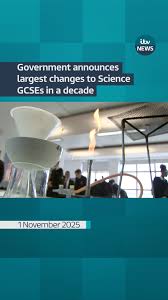
In 2023, the Department for Education announced the introduction of a new Science GCSE curriculum that emphasises a more integrated approach to teaching the three main disciplines: Biology, Chemistry, and Physics. This curriculum change is in response to feedback from educators and industry experts who highlighted the need for a more holistic understanding of scientific concepts, as opposed to siloed knowledge in individual subjects.
The revised curriculum places a greater emphasis on practical experimentation and real-world applications of scientific theories. Students will now have more opportunities to engage in hands-on learning activities, designed to foster critical thinking and problem-solving skills. The introduction of new topics, such as climate change, biotechnology, and sustainability, reflects the current global challenges and the necessity for students to be equipped with relevant knowledge.
Moreover, adjustments to the assessment structure have been made. The new curriculum will feature a combination of written exams, practical assessments, and project-based evaluations, allowing students to demonstrate their understanding in diverse ways. This shift aims to reduce the pressure of high-stakes examinations and provide a more comprehensive evaluation of student performance.
Significance and Conclusion
These curriculum changes are expected to have a profound impact on the future of science education in the UK. As the new content aligns more closely with contemporary scientific issues, it prepares students not only for their exams but also for real-life challenges. Additionally, these adjustments will require teachers to adapt their teaching methods and update their knowledge, leading to professional development opportunities.
In conclusion, the changes to the Science GCSE curriculum are significant and timely, reflecting the evolving nature of science and the skills needed in the 21st century. Students, educators, and parents must stay informed about these developments to ensure a smooth transition and successful implementation, ultimately enhancing the landscape of science education in the UK.