

Understanding V Levels Education: Vocational Pathways and Policy Relevance
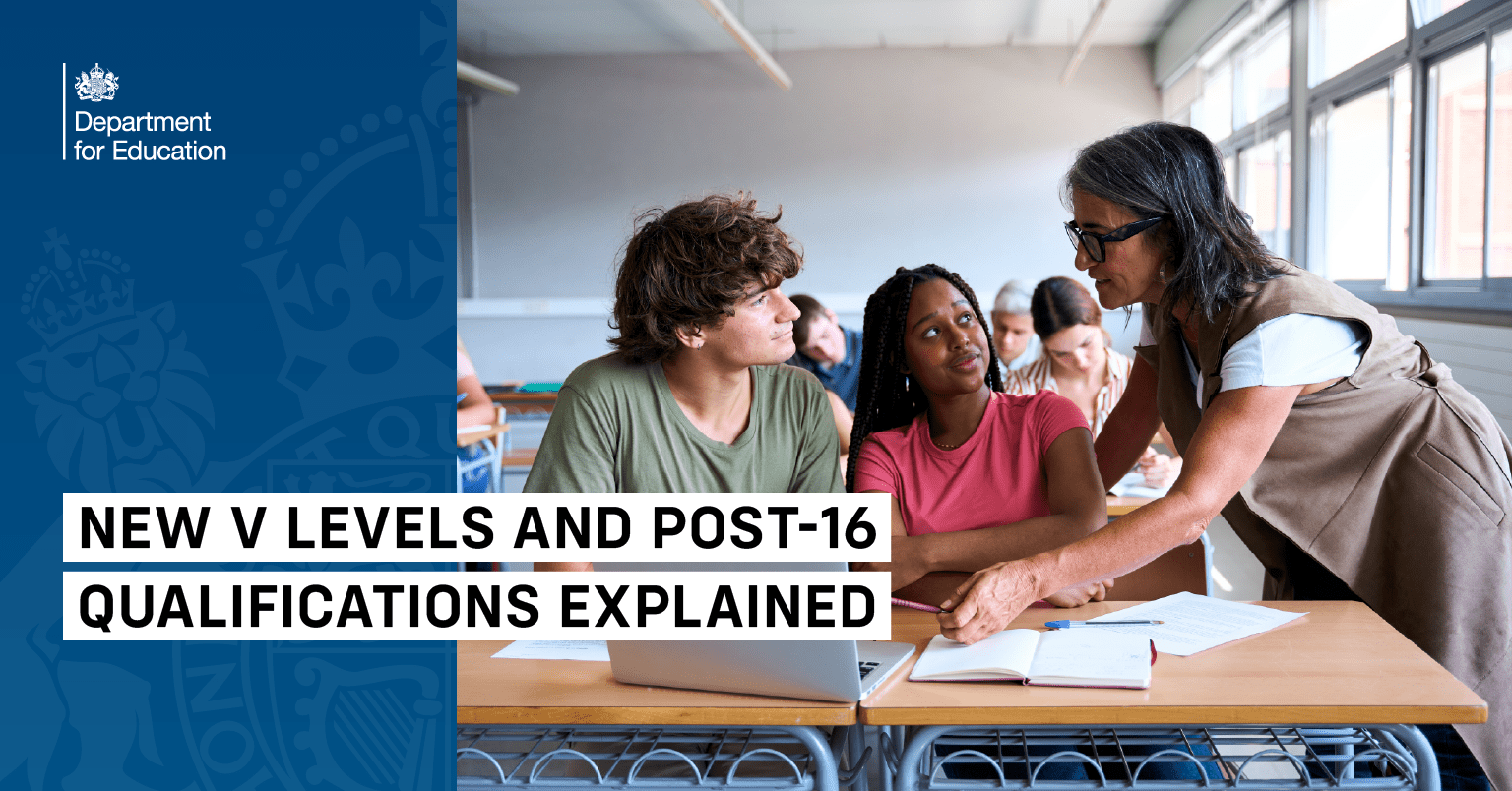
Introduction: Why V Levels Education Matters
V levels education has become a focal point for discussions about skills, employability and the balance between academic and vocational training. As employers and education bodies seek routes that better connect learners to practical careers, interest in vocational-level qualifications—summarised here as “V levels education”—is rising. This topic matters because it concerns how young people and adults gain job-ready skills, how education systems respond to changing labour markets, and how policy can shape future workforce capacity.
Main body: What V Levels Education Covers and Why It’s Relevant
Defining the concept
Broadly, V levels education refers to vocationally focused qualifications and programmes that emphasise practical skills, workplace experience and sector-specific knowledge. These pathways are commonly positioned alongside academic routes, offering learners an alternative route to employment, apprenticeships or further technical study.
Key features and stakeholders
Programmes under the V levels umbrella typically combine classroom learning with hands-on training, industry placements and assessment of workplace competencies. Stakeholders include learners, employers, training providers, colleges and policy-makers. Employers often value the direct applicability of vocational skills, while learners may appreciate shorter, more focused routes to employment.
Benefits and considerations
Advantages of vocational pathways include clear links to occupational roles, reduced mismatch between skills supply and demand, and improved opportunities for those who prefer practical learning. Considerations for effective delivery include alignment with industry standards, quality assurance, availability of work placements, and clear progression routes to higher-level qualifications.
Conclusion: Outlook and Significance for Readers
V levels education represents a pragmatic response to changing skills needs. For learners, it can offer accelerated pathways into work; for employers, a source of ready-trained staff; and for policy-makers, a lever to address skills gaps. Readers choosing a study route should weigh personal strengths, local provision and employer demand. Observers of education policy should watch for developments that improve alignment between vocational programmes and labour-market needs, and for measures that expand progression and parity of esteem with academic qualifications.