

Heating oil prices: drivers, impacts and what households should expect
Introduction: Why heating oil prices matter
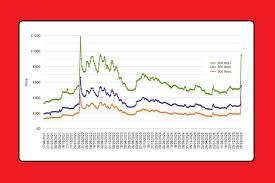
Heating oil prices directly affect household energy bills, business operating costs and local economies in regions that rely on oil for space heating. Understanding the forces behind price movements helps consumers plan purchases, enables installers and suppliers to advise customers, and informs policy decisions on energy support and transition. This article outlines the importance of heating oil prices and the key factors that typically influence them, based on available information.
Main body: Key factors and recent developments
Supply and production
Global crude oil production and refined product availability shape heating oil supply. Refinery maintenance, capacity constraints and distribution logistics can tighten regional supplies and push prices higher. Conversely, increases in crude output or refinery throughput tend to ease upward pressure on heating oil costs.
Demand patterns
Seasonal demand is a major driver: colder winters typically raise consumption for domestic heating, increasing spot demand and price volatility. Economic activity and industrial demand for distillate fuels also influence prices. In many markets, demand-side trends and weather forecasts are watched closely by traders and suppliers.
Geopolitics and market sentiment
Geopolitical events, sanctions, and transport disruptions can alter crude flows and refined product availability, contributing to price swings. Market sentiment, speculative trading and changes in currency exchange rates further affect heating oil prices, particularly in countries that import a large share of fuel requirements.
Policy and alternatives
Government policies on energy taxation, subsidies, and incentives for low-carbon heating affect consumer costs and long-term demand for heating oil. Investment in alternatives such as heat pumps, biomass and district heating can reduce dependence on oil over time, moderating future price sensitivity.
Conclusion: What this means for readers
Households and businesses should monitor weather forecasts, market updates and local supply notices to time purchases and manage budgets. Short-term price movements often reflect a mix of seasonal demand and supply-side factors, while long-term trajectories depend on broader energy transition policies and infrastructure changes. For immediate decisions, comparing suppliers, considering forward-buying options where available, and exploring energy efficiency measures can help reduce exposure to heating oil price volatility.