

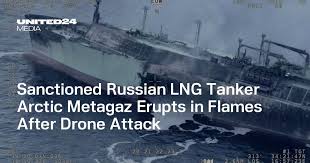
Sanctioned Russian LNG tanker Arctic Metagaz erupts in flames
Introduction: Why the incident matters
The reported attack on the russian lng tanker arctic metagaz has immediate safety, commercial and geopolitical implications. As a vessel subject to international sanctions and linked by intelligence to Russia’s Arctic LNG‑2 project, any damage or disruption to the carrier affects energy routes, enforcement of sanctions and regional maritime security in the central Mediterranean.
Main body: Details of the incident
What happened
On 3 March, the Russian‑flagged liquefied natural gas carrier Arctic Metagaz (IMO 9243148) was reported to be on fire in the Mediterranean Sea following a reported drone strike that breached the vessel’s hull. Multiple maritime security sources and tracking data placed the vessel burning roughly 20 nautical miles east of Malta while sailing between Malta and Libya.
Location and crew
Malta’s armed forces and maritime reports said the vessel’s crew were located safe in a lifeboat within Libya’s search‑and‑rescue region. Reuters and other reporting services cited maritime security sources confirming that all crew were accounted for in the lifeboat after abandoning ship.
Sanctions and alleged cargo route
Arctic Metagaz is under international sanctions, including measures from the United States and the United Kingdom. Ukrainian military intelligence has reported that the ship is involved in transporting LNG derived from the sanctioned Arctic LNG‑2 project and indicated cargo movements towards the Beihai terminal in China. These links have made the vessel a focal point for enforcement efforts aimed at limiting Russian energy revenues.
Context: shadow fleet and enforcement
The incident comes amid heightened scrutiny of the so‑called shadow fleet used to move sanctioned Russian energy cargoes. Earlier online postings reportedly offered a €500,000 reward for information on the location of a sanctioned oil tanker (IMO 9264881), underlining the level of attention on vessels tied to sanctioned shipments.
Conclusion: Significance and outlook
The Arctic Metagaz fire highlights vulnerabilities in maritime routes for sanctioned energy shipments and could prompt tighter monitoring and enforcement around vessels linked to sanctioned projects. Short‑term effects include disruption to the ship and potential inspections or detentions; longer‑term implications hinge on investigations to confirm cause, as well as diplomatic and commercial responses that may alter how sanctioned cargoes are moved and monitored in the Mediterranean and beyond.