

Lucasfilm Prevails in Peter Cushing Lawsuit Over Star Wars Digital Resurrection
Court Dismisses Legal Challenge Over Iconic Actor’s CGI Appearance
In a significant legal victory that has implications for the future of digital technology in filmmaking, Lucasfilm secured a legal victory in London’s Court of Appeal on Thursday, successfully dismissing a lawsuit related to the use of long-dead actor Peter Cushing’s likeness in a Star Wars film. The case centred on the legendary British actor’s digital resurrection in the 2016 blockbuster Rogue One: A Star Wars Story.
The Digital Resurrection That Sparked Legal Battle
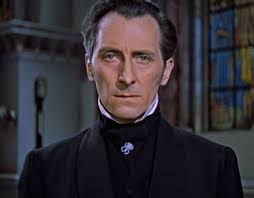
Peter Cushing, who died in 1994, was ‘resurrected’ as Death Star commander Grand Moff Tarkin for the 2016 film ‘Rogue One: A Star Wars Story’ using visual effects and another actor. The groundbreaking visual effects recreated the actor who had originally portrayed the character in the 1977 Star Wars film, bringing him back to the screen more than two decades after his passing.
British company Tyburn Film Productions argued it had rights to digitally bring Cushing back, leading to a legal battle over the alleged infringement. The claimant maintained that a 1993 agreement with Cushing gave them exclusive control over the reproduction of his likeness through visual effects.
Court Rules in Favour of Lucasfilm
Lady Chief Justice Baroness Carr, Sir Colin Birss and Lord Justice Zacaroli ruled in the companies’ favour, finding that Tyburn’s claim against them was not ‘sufficiently arguable’. The court stated it was ‘impossible to identify anything at all that belonged to Tyburn which can be said to have been transferred to the appellants’.
This ruling came after previous attempts to dismiss the case had failed in lower courts, with Lucasfilm finally succeeding on their third attempt to have the claim thrown out at the Court of Appeal level.
Significance for Digital Likeness Rights
The case raises important questions about digital ethics and legacy rights in an era where technology allows filmmakers to resurrect deceased actors on screen. Rogue One was the highest-grossing production of 2016 in the UK, according to the British Film Institute, and was nominated for two Academy Awards, demonstrating the commercial success of such technological innovations.
For the film industry, this verdict provides crucial clarity on the use of digital likenesses when proper agreements with an actor’s estate are in place. The ruling may shape how studios approach similar projects in the future, particularly as artificial intelligence and CGI technology continue to advance, making such digital resurrections increasingly sophisticated and commonplace in modern filmmaking.