

Morgan Freeman Takes Stand Against AI Voice Theft While Defying Retirement at 88
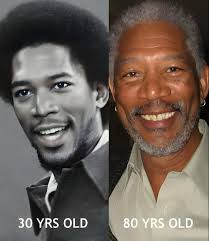
Hollywood Legend Battles Artificial Intelligence
Morgan Freeman has taken legal action against ‘quite a few’ unauthorised AI-generated imitations of his voice, marking a significant moment in the ongoing debate about artificial intelligence in entertainment. The Oscar winner said his ‘lawyers have been very, very busy’ as of late working to remove all unauthorised uses of his voice off the internet. The 88-year-old actor didn’t mince words about the issue, emphasising the financial and artistic impact of these AI replications.
Continuing a Legendary Career
Despite the AI controversy, Freeman remains firmly committed to his craft. Even at 88 years old, Freeman has been averaging three film releases a year over the last several years. His newest project is reprising his role as the legendary Thaddeus Bradley, an illusion debunker who was formerly a magician and leader of the group known as the Eye, in the third instalment of the heist thriller Now You See Me franchise, Now You See Me: Now You Don’t, opening Nov. 14. When asked about retirement, Freeman’s response was clear: ‘The appetite is still there,’ though he conceded ‘it’s dimmed a little. But not enough to make a serious difference’.
Standing Against AI-Generated Performers
Freeman’s concerns extend beyond voice replication to the broader implications of AI in Hollywood. When discussing AI ‘actress’ Tilly Norwood, Freeman stated: ‘Nobody likes her because she’s not real, and that takes the part of a real person, so it’s not going to work out very well in the movies or in television’. This stance reflects growing industry concerns about AI potentially displacing human actors from their livelihoods.
The Significance for the Entertainment Industry
Freeman’s battle against unauthorised AI use represents a critical moment for performers’ rights in the digital age. As one of cinema’s most recognisable voices, his legal challenge could set important precedents for how actors protect their identities and voices from AI exploitation. For audiences and industry professionals alike, Freeman’s stand emphasises the irreplaceable value of authentic human artistry whilst highlighting the urgent need for stronger legal protections in an era of rapidly advancing artificial intelligence technology.