

Michael Sheen: From RADA Training to Acclaimed Biographical Roles
Introduction
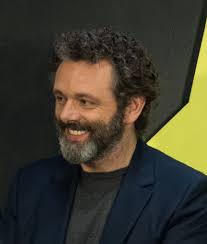
Michael Sheen is a prominent Welsh actor and political activist whose stage training and screen portrayals have made him a significant figure in contemporary British drama. Born on 5 February 1969, Sheen’s career bridges theatre and screen, and his sustained focus on biographical roles in the 2000s has brought renewed public interest in how actors interpret well‑known public figures. Understanding Sheen’s trajectory is relevant for readers who follow modern theatre, film and the portrayal of historical personalities in popular culture.
Main body
Early life and training
Michael Christopher Sheen trained at London’s Royal Academy of Dramatic Art (RADA), a foundation that informed his versatility across stage and screen. His early theatre work included a 1996 appearance at the National Theatre in the original play Ends of the Earth by David Lan, and a minor film role in Mary Reilly, one of several early collaborations with director Stephen Frears.
Screen and stage career
In the 2000s Sheen began to focus prominently on screen acting, particularly biographical projects for film and television. He built a reputation for detailed, measured portrayals of real people, moving between television dramas, miniseries and feature films while continuing to appear on stage. His ability to find the dramatic core of historical or public figures has been noted by critics and audiences alike.
Notable roles and recognition
Sheen reprised his portrayal of Tony Blair to wide critical acclaim in Stephen Frears’ The Queen (2005), a performance that earned him a BAFTA nomination. Other biographical roles followed: he played British comic actor Kenneth Williams in the BBC Four film Fantabulosa! (2006), portrayed H.G. Wells in BBC Two’s H.G. Wells: War with the World (2006), and took the role of the Roman emperor Nero in the BBC One miniseries Ancient Rome: The Rise and Fall of an Empire. On stage, his performance as David Frost opposite Frank Langella’s Richard Nixon in Peter Morgan’s Frost/Nixon toured in 2006–07 and was later adapted for Ron Howard’s film in 2008. That year Sheen received the Variety Award at the British Independent Film Awards, recognising his contributions to screen drama.
Conclusion
Michael Sheen’s career demonstrates a sustained commitment to character work rooted in theatre training and a particular aptitude for biographical interpretation. For readers, his body of work offers an accessible entry point into contemporary portrayals of public figures and the continuing interplay between theatre and screen. Looking ahead, Sheen’s blend of stage pedigree and screen presence suggests he will remain a prominent and influential performer in British drama.